 CJM Steel Group Ltd.

Carbon Steel vs. Alloy Steel: What’s the Difference and Which One to Use?
2741Understand the key differences between carbon steel and alloy steel. Compare strength, cost, and best use cases. Expert buying tips from CJM.
View detailsSearch the whole station
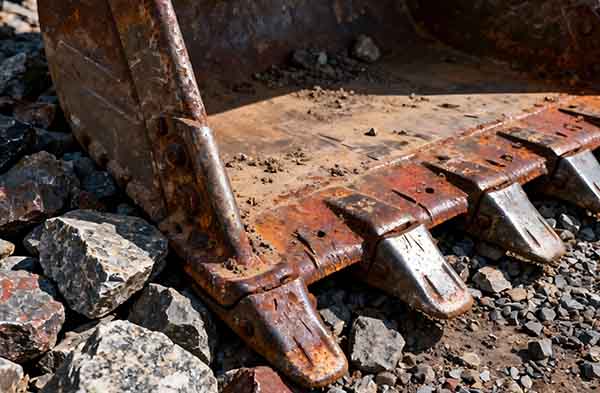
Abrasion resistant steel is a category of steel materials engineered to withstand surface wear caused by friction, impact, and the movement of abrasive materials. It is widely used in industries where conventional structural steel fails prematurely due to severe abrasion, such as mining, construction machinery, bulk material handling, and cement production.
Unlike general-purpose carbon steel, abrasion-resistant steel is designed to reduce material loss, extend service life, and lower maintenance costs in harsh operating environments. This page provides a material-level overview explaining what abrasion resistant steel is, how it works, how it compares with other abrasion resistant metals, and how it is selected for industrial use.
Abrasion resistant steel refers to steel grades specifically developed to resist wear caused by sliding, scraping, or impact from hard particles such as ore, sand, gravel, or aggregates.
Abrasion occurs when abrasive materials repeatedly contact a metal surface, gradually removing material over time. Abrasion resistant steels are formulated and heat-treated to slow this wear process, helping equipment maintain its functional dimensions and performance for longer periods.
These steels are used as protective wear materials and are not intended to replace structural steels for primary load-bearing applications.
The performance of abrasion resistant steel is primarily determined by its hardness and microstructure rather than its thickness or yield strength.
Key factors include:
In practical applications, increasing hardness generally improves abrasion resistance. However, excessively high hardness may reduce impact resistance or complicate fabrication. As a result, abrasion resistant steel selection always involves balancing wear life with toughness and service conditions.
When evaluating abrasion resistant metals, abrasion resistant steel is often compared with alternatives such as cast iron, manganese steel, or hardfacing alloys.
| Material Type | Wear Resistance | Impact Resistance | Fabrication Flexibility |
| Abrasion Resistant Steel | High | Medium to High | Good |
| High-Chromium Cast Iron | Very High | Low | Poor |
| Austenitic Manganese Steel | Medium | Very High | Moderate |
| Hardfacing Alloys | Very High | Varies | Limited |
Among these abrasion resistant metals, abrasion resistant steel offers the most balanced combination of wear resistance, impact performance, weldability, and fabrication flexibility, making it the preferred choice for most industrial equipment and wear components.
Abrasion resistant steel is typically classified by hardness range rather than yield strength. In industrial practice, grades are identified using different naming systems depending on market and specification.
Although the naming conventions differ, both NM and AR grades classify abrasion resistant steel primarily by hardness level and intended wear performance rather than structural strength.
In industrial equipment design, selecting the appropriate abrasion resistant steel grade depends on the balance between hardness, impact resistance, and fabrication requirements. Different hardness levels are used for different wear environments.
Typical selection guidelines include:
When selecting abrasion resistant steel, the following properties are typically evaluated:
Higher hardness grades generally provide longer wear life but may require stricter welding procedures and controlled fabrication practices.
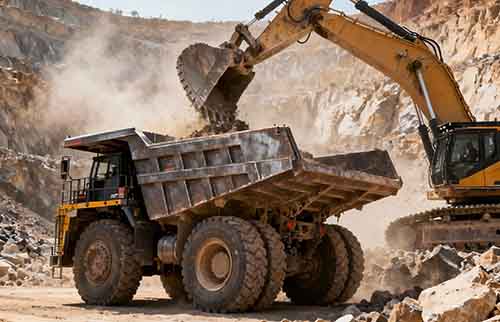
Abrasion resistant steel is widely used in industries where equipment is exposed to continuous sliding wear, impact abrasion, and the movement of highly abrasive materials such as ore, sand, gravel, and aggregates. These conditions are common in mining operations, construction machinery, and bulk material handling systems.
Typical industrial applications include:
In mining and heavy equipment applications, abrasion resistant steel plates help significantly reduce material loss compared with conventional structural steels. By improving resistance to continuous abrasion and impact, these steels extend component service life and reduce maintenance frequency, equipment downtime, and long-term operating costs.
For application-focused analysis related to construction machinery, including service life and cost considerations, see:
→ Abrasion Resistant Steel Plates for Construction Machinery: Grades, Lifespan, and Cost Analysis
For mining-specific wear solutions and grade selection, refer to:
→ Wear Plates for Mining Equipment: NM400, NM450 & NM500 Solutions
Selecting the appropriate abrasion resistant steel depends on multiple factors, including:
In many cases, selecting a grade with balanced hardness and toughness results in better overall performance than choosing the highest available hardness. Grade comparisons under different wear conditions are discussed in:
→ AR500 vs AR550 vs AR600: What’s the Difference?
Abrasion resistant steel plates are widely supplied for equipment manufacturing, repair, and wear component replacement in industries where continuous abrasion is a major concern.
Typical supply forms include:
Common industrial grades include NM400, NM450, NM500, and AR400, AR450, AR500 plates, which provide a balance between hardness, impact resistance, and fabrication performance.
CJM Steel supplies abrasion resistant steel plates for global industrial customers, supporting export projects, equipment manufacturing, and maintenance requirements in mining, construction machinery, and bulk material handling industries.
For grade-specific information, you may refer to:
Abrasion resistant steel plays a critical role in improving equipment durability and reducing operating costs in abrasive environments. Compared with other abrasion resistant metals, it provides a well-balanced combination of wear resistance, toughness, and fabrication flexibility.
By understanding abrasion mechanisms, grade classifications, and application requirements, engineers and procurement teams can make informed decisions when selecting abrasion resistant steel for long-term industrial performance.
Understand the key differences between carbon steel and alloy steel. Compare strength, cost, and best use cases. Expert buying tips from CJM.
View details
Learn how steel plate price per ton is affected by thickness, grade, and standards. A practical guide for buyers comparing steel plate prices.
View details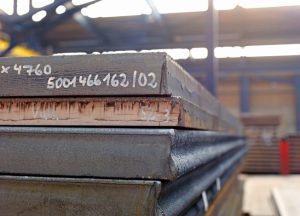
Standard steel plate thickness chart from 1/4” to 12”, including inch-to-mm conversion and weight reference. Quick lookup table for engineering and fabrication projects.
View details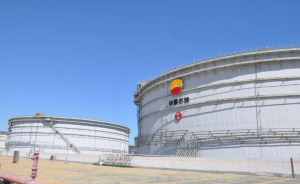
Compare A516, A537 and P355GH steel plates for oil & gas storage tanks. Learn pressure, temperature limits, and how to choose the right tank plate material.
View details
HelloPlease log in