 CJM Steel Group Ltd.

Top 10 Steel Grades Used in International Construction Projects
3145Explore the 10 most used steel plate grades in international construction. Compare A36, A572, A516, S355, EH36, and more for your project needs.
View detailsSearch the whole station
Quick Answer: Tinplate and enamel steel plate are not the same.
Tinplate is steel coated with tin for lightweight corrosion protection, mainly used in food and beverage packaging.
Enamel steel plate is steel fused with a glass-like ceramic layer for durability, heat resistance, and long-term use in cookware, tanks, and industrial equipment.
Buyers often find themselves weighing these two materials carefully, especially when their projects involve food safety regulations, exposure to chemicals or heat, or branding requirements for consumer-facing products. This article breaks down the key differences between tinplate and enamel steel, highlights typical buyer concerns, and provides practical guidance for choosing the right material.
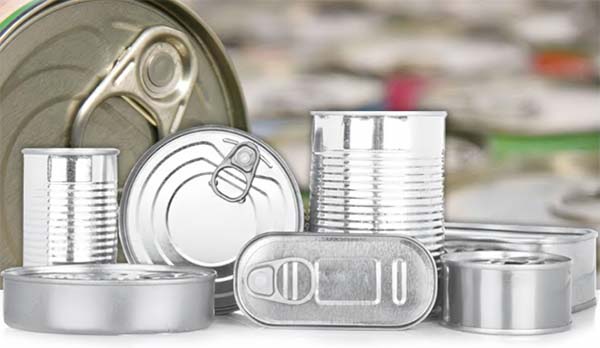
Tinplate is a thin, cold-rolled carbon steel sheet coated with a fine layer of tin. The tin acts as a corrosion-resistant barrier, while the underlying steel provides strength and formability.
Typical applications include:
Advantages: smooth surface, easy forming, cost-effective, food-safe.
Best for: short-to-medium-term corrosion protection, clean surfaces, and decorative packaging.
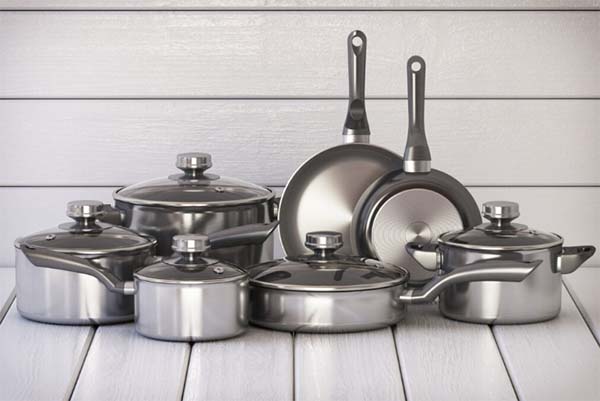
Enamel steel plate, also called vitreous enamel steel or porcelain enamel plate, is a carbon steel substrate coated with a glassy, ceramic-based layer through a high-temperature fusing process (usually 800–900°C). This creates a hard, glossy surface that is chemically inert and highly durable.
Typical applications include:
Advantages: long-term durability, corrosion and heat resistance, chemical stability.
Best for: harsh environments, high heat, acidic or chemical exposure.
Buyers aren’t just comparing materials—they’re often evaluating risk, compliance, total cost, and product performance over time. Below are the main areas where customers typically hesitate or compare before making a choice:
Customer hesitation:
“Will the tin coating last long enough in my product’s real-world environment?”
“Is enamel steel overengineered (and overpriced) for my needs?”
Answer: If you’re storing or processing acidic materials, or if your product will be cleaned frequently with harsh chemicals, enamel steel will likely outperform tinplate in the long run.
Customer hesitation:
“Will the material hold up under repeated heating cycles?”
“Can the surface coating degrade under direct flame or steam?”
Answer: If heat is a factor—whether from cooking, sterilization, or exposure to outdoor sun—enamel steel plate is the better option.
Customer hesitation:
“Which material gives me easier regulatory clearance?”
“Will enamel affect food taste or safety?”
Answer: Both materials can be food-safe when processed correctly. Tinplate is easier to certify for mass food packaging, while enamel steel excels in reusable food-contact applications.
Customer hesitation:
“Can I use tinplate for premium packaging?”
“Is enamel steel too industrial-looking for consumer use?”
Answer: For decorative and consumer-facing packaging, tinplate wins in customizability. For products requiring a clean, sterile, and professional surface (such as medical tanks or kitchenware), enamel steel is ideal.
Customer hesitation:
“Can I deep-draw or stamp this material?”
“Will enamel crack during fabrication?”
Answer: If deep forming is required, tinplate is a better choice. Enamel steel must be formed in its raw state, then coated—so it suits flat panels or formed vessels made in two stages.
Customer hesitation:
“Is enamel worth the extra cost for my application?”
“Can I reduce lifetime costs through fewer replacements?”
Answer: For short-term or high-volume use, tinplate is more economical. But if durability, resistance, and minimal maintenance are your priority, enamel steel may save you long-term costs.
| Property | Tinplate | Enamel Steel Plate |
| Base Material | Low-carbon cold-rolled steel | Low-carbon steel |
| Coating Material | Tin | Vitreous enamel (fused glass) |
| Coating Process | Electroplating or hot dipping | High-temp fusing (~850°C) |
| Corrosion Resistance | Mild environments | Harsh chemicals, acids, steam |
| Heat Resistance | Up to 230°C | Up to 600°C+ |
| Surface Finish | Smooth, metallic, printable | Glossy, scratch-resistant |
| Food Safety | Yes (with coating) | Yes |
| Applications | Cans, caps, packaging | Cookware, tanks, architecture |
| Cost | Lower | Higher |
| Recyclability | Excellent | Moderate |
| Customization | High (printing, lacquering) | Limited (color, logo baked in) |
| Use Case | Recommended Material |
| Beverage or food cans | Tinplate |
| Cookware (pans, oven trays, grills) | Enamel Steel Plate |
| Chemical storage tanks | Enamel Steel Plate |
| Decorative gift tins | Tinplate |
| Industrial boilers and heaters | Enamel Steel Plate |
| Medical or pharmaceutical containers | Depends – see corrosion needs |
Contact CJM Steel today for personalized advice. We specialize in steel products for industrial, architectural, and consumer applications—with global export capabilities.
Contact
Explore the 10 most used steel plate grades in international construction. Compare A36, A572, A516, S355, EH36, and more for your project needs.
View details
Q355 steel equivalent chart (ASTM, EN, JIS) with yield strength, properties, and grade differences (Q355B/C/D/E). Quick reference for engineers and buyers.
View details
Steel plate procurement checklist covering specifications, quality checks, supplier evaluation, costs, and delivery risks to avoid purchasing problems.
View details
Complete H beam size chart and weight table in mm for structural design. Covers EN, JIS, and ASTM standards used in global construction projects.
View details
HelloPlease log in