 CJM Steel Group Ltd.

Definition of Carbon Steel Pipe
2384Carbon steel pipe is strong, durable, and widely used for transporting fluids and gases in various industries.
View detailsSearch the whole station
ASTM A36 Steel Density — Quick Answer
The density of ASTM A36 steel is 7.85 g/cm³ (7850 kg/m³).
All unit conversions:
- g/cm³: 7.85
- kg/m³: 7,850
- lb/in³: 0.284
- lb/ft³: 490
- lb/yd³: 13,230
This density value applies to all A36 steel products: plate, bar, beam, channel, and structural shapes.
This guide covers ASTM A36 steel density, equivalent grades (S235JR, SS400, Q235B), chemical composition, mechanical properties, and applications , helping buyers and engineers quickly compare materials and select the right option for international projects.
For sourcing and specification matching, understanding A36 equivalent material and performance differences is essential in global steel procurement.
The density of ASTM A36 steel is 7.85 g/cm³, consistent across all product forms including plate, coil, bar, and structural profiles.
| Unit System | Density Value |
|---|---|
| g/cm³ (metric) | 7.85 |
| kg/m³ (metric) | 7,850 |
| lb/in³ (imperial) | 0.284 |
| lb/ft³ (imperial) | 490 |
| lb/yd³ (imperial) | 13,230 |
| tonnes/m³ | 7.85 |
Knowing the exact A36 steel density is essential for:
1. Weight calculation before ordering
Use the formula: Weight (kg) = Length (m) × Width (m) × Thickness (mm) × 7.85
Example: A 2000mm × 1000mm × 10mm A36 plate weighs: 2 × 1 × 10 × 7.85 = 157 kg
→ Use our Steel Plate Weight Calculator (kg, lb, tonne) for instant results.
2. Freight cost estimation
International shipping charges are weight-based. Accurate density input prevents costly miscalculations on FOB or CIF quotes.
3. Structural load calculations
Engineers use A36 density to calculate dead loads in beams, columns, and platforms.
| Steel Grade | Density (g/cm³) | Comparison to A36 |
|---|---|---|
| ASTM A36 | 7.85 | Baseline |
| S235JR (A36 equivalent) | 7.85 | Identical |
| SS400 (A36 equivalent) | 7.85 | Identical |
| Q235B (A36 equivalent) | 7.85 | Identical |
| ASTM A572 Grade 50 | 7.85 | Identical |
| Stainless Steel 304 | 7.93 | +1% heavier |
| Aluminum 6061 | 2.70 | 66% lighter |
All carbon and low-alloy structural steels share the same density of 7.85 g/cm³. Grade selection should be based on strength and weldability, not density differences.
For a broader comparison across popular carbon steel plates, see also: A36 vs A283 vs A572 vs A516 Steel Plate: Key Differences and Equivalents
Buyers sourcing steel internationally often compare ASTM A36 equivalent grades to ensure material interchangeability and compliance with local standards.
| Standard | Equivalent Grade | Notes |
| ASTM (USA) | A36 | Baseline reference |
| EN (Europe) | S235JR | Very similar performance, often interchangeable |
| JIS (Japan) | SS400 | Yield strength slightly lower; check project requirements |
| GB (China) | Q235B | Common Chinese equivalent |
In global sourcing, ASTM A36 equivalent material selection depends on project standards, cost targets, and availability.
When strict compliance or certification is required, ASTM A36 should be specified directly. For cost-sensitive procurement, A36 equivalent grades are often accepted after technical review.
The typical A36 steel chemical composition ensures both strength and excellent weldability, making it one of the most preferred grades in the carbon steel category.
| Element | Content (%) |
| Carbon (C) | ≤ 0.25 |
| Manganese (Mn) | 0.80 – 1.20 |
| Phosphorus (P) | ≤ 0.04 |
| Sulfur (S) | ≤ 0.05 |
| Silicon (Si) | 0.15 – 0.40 |
*The low carbon content (<0.25%) in ASTM A36 steel significantly enhances weldability, while manganese (0.80–1.20%) increases tensile strength without compromising ductility. These factors make the ASTM A36 chemical composition highly suitable for structural fabrication.
The A36 steel properties make it a versatile and cost-effective choice for structural and fabrication purposes:
| Property | Value |
| Tensile Strength | 400 – 550 MPa |
| Yield Strength | ≥ 250 MPa |
| Elongation | ≥ 20% |
*These ASTM A36 steel properties ensure that it can be easily welded, machined, and formed. The yield strength of A36 steel plate allows it to perform reliably in beams, channels, and platforms. Its mechanical balance supports a wide range of applications where toughness and ductility are required.
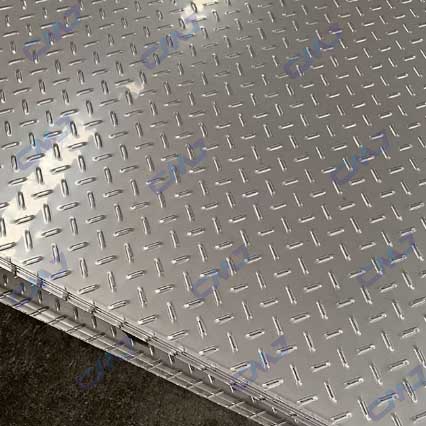
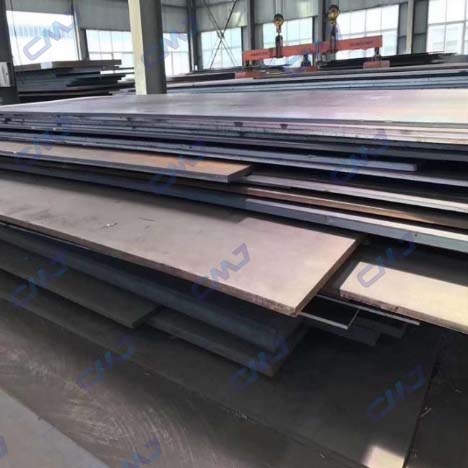
A36 shipbuilding plates are suitable for secondary decks and non-critical structures. For main hulls, high-strength or corrosion-resistant grades are preferred.
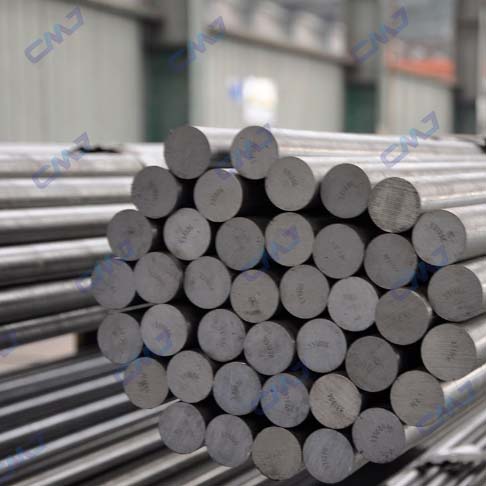
ASTM A36 steel remains one of the most versatile and economical materials for global structural projects. Its balanced A36 steel properties, wide availability, and compatibility with multiple A36 material equivalent grades make it a reliable choice for engineers and fabricators worldwide.
For international projects, choosing the right ASTM A36 steel or its equivalent depends on availability, standards, and cost considerations.
We supply export-ready A36 steel plates with flexible sizing, third-party inspection, and global delivery support.
Feel free to contact our team for support.
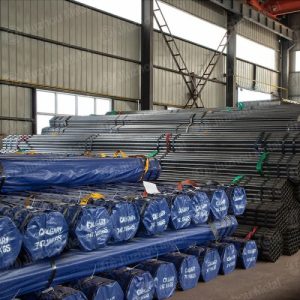
Carbon steel pipe is strong, durable, and widely used for transporting fluids and gases in various industries.
View details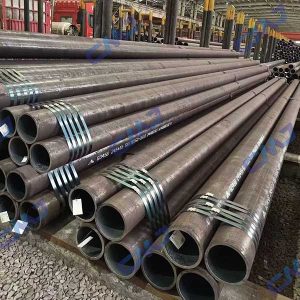
Find 42CrMo equivalent materials including AISI 4140 and Russian GOST grades. Learn differences and choose the right steel pipe for your project.
View details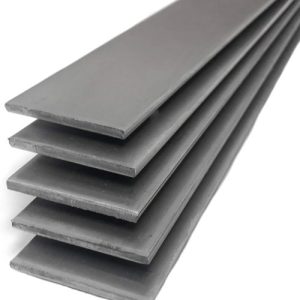
Carbon steel plate is a durable, versatile material used in construction, manufacturing, and industrial applications for structural support.
View details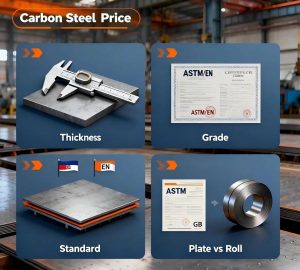
Learn how steel plate price per ton is affected by thickness, grade, and standards. A practical guide for buyers comparing steel plate prices.
View details
wish you best and best
2026-04-1520:20