 CJM Steel Group Ltd.

Structural Steel Grades, Properties & Standards Guide
4622Learn common structural steel grades, material properties, chemical composition, yield strength, tensile strength, and major ASTM and international standards.
View detailsSearch the whole station
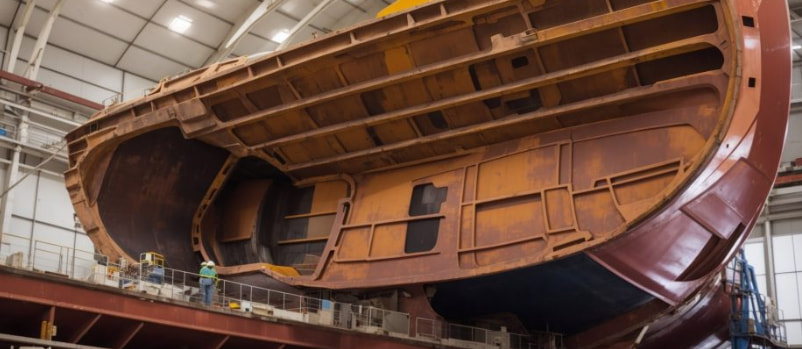
Choosing the right steel grade is a critical decision in shipbuilding and offshore engineering. Among ASTM A131 shipbuilding steel grades, AH36 steel is one of the most widely used materials for cargo ships and offshore structures, while AH32 and AH40 are selected for different strength requirements. While all belong to the same family, their differences in mechanical properties, equivalent standards, and applications make each grade suitable for specific project needs.
For steel distributors, traders, and shipbuilding procurement managers, selecting the right grade isn’t just about technical specs—it’s about balancing cost, availability, and project requirements to maximize value and ensure on-time delivery.
When sourcing shipbuilding steel internationally, buyers often compare AH32, AH36, and AH40 with structural steel grades defined in other national standards. While exact equivalence may vary depending on classification society rules, the following grades are commonly referenced for comparison of strength levels and applications.
| Grade | ASTM Standard | EN Equivalent | DIN Equivalent | JIS Equivalent | GB Equivalent |
| AH32 | ASTM A131 AH32 | S275 | St44 | E32 | Q345B |
| AH36 | ASTM A131 AH36 | S355 | St52 | E36 | Q345D |
| AH40 | ASTM A131 AH40 | S420 | St60 | E40 | Q390 |
These equivalents are typically used for reference when comparing strength levels. For shipbuilding projects, steel plates must still be supplied with classification society certificates such as ABS, LR, DNV, or BV.
| Grade | Yield Strength (MPa) | Tensile Strength (MPa) | Typical Applications |
|---|---|---|---|
| AH32 | ≥315 | 440–590 | Small vessels, ferries, general hull structures |
| AH36 | ≥355 | 490–620 | Cargo ships, bulk carriers, offshore structures |
| AH40 | ≥390 | 510–650 | LNG carriers, tankers, offshore platforms |
AH32 steel is a mild-strength shipbuilding steel grade widely used for hull structures and general ship construction. The minimum AH32 steel yield strength is 315 MPa, which provides adequate structural strength for small and medium-sized ship hull components.
Equivalent Standards: EN S275, DIN St44, JIS E32.
Typical Applications: Small and medium-sized vessels, ferryboats, and deck structures in moderate sea conditions.
AH36 steel is a high-strength shipbuilding steel grade defined in ASTM A131. It offers higher strength than AH32 while maintaining good weldability and toughness, making it one of the most widely used materials for modern ship hull structures.
Typical AH36 steel properties include high yield strength, good tensile performance, and reliable impact toughness for marine environments.
AH36 steel plates are designed for structural applications where strength and reliability are critical. The mechanical properties of AH36 steel allow shipbuilders to reduce structural weight while maintaining safety and durability.
Typical AH36 steel properties include:
| Property | Value |
|---|---|
| Yield Strength | ≥355 MPa |
| Tensile Strength | 490–620 MPa |
| Elongation | ≥21% |
| Density | ~7.85 g/cm³ |
| Impact Test | −20°C (depending on classification requirements) |
The relatively high AH36 steel yield strength of 355 MPa makes this grade suitable for large cargo vessels, offshore structures, and marine platforms where structural loads are significant.
AH40 steel belongs to the extra-high-strength category, designed for demanding offshore and deep-sea projects. It offers higher yield strength compared to AH32 and AH36.
Equivalent Grades: EN S420, LR AH40, RINA AH40.
Typical Applications: Large container ships, oil tankers, LNG carriers, offshore oil & gas platforms, and naval vessels.
When sourcing AH series steel, the mill certificate from a recognized classification society (ABS, LR, DNV, etc.) is not optional—it’s mandatory. It is your guarantee that the material meets the stringent safety and quality standards for marine service. Always request and verify the EN 10204 3.1/3.2 certificate with your order.
In real-world supply, shipbuilding plates are usually available in:
For international projects, these steels are generally supplied with classification society certificates such as:
These certifications ensure compliance with global shipbuilding requirements.
With the growing demand for offshore energy projects and larger, more fuel-efficient vessels, higher-strength grades like AH36 and AH40 are increasingly in demand.
👉 If you are looking for detailed specifications, stock availability, and delivery options of these grades, please check our AH32, AH36, and AH40 Shipbuilding Steel Plates product page.
While AH32, AH36, and AH40 steel plates belong to the same ASTM A131 family, their differences in strength and toughness make them suitable for different levels of structural demand.
For shipbuilders and project managers, understanding these distinctions helps in selecting the right grade for long-term reliability and efficiency.
As a specialist in marine and offshore steel plates, we supply AH32, AH36, and AH40 with full certification (ABS, LR, DNV, etc.). Contact us today for a competitive quote, current stock list, or to discuss your project’s specific requirements.
Learn common structural steel grades, material properties, chemical composition, yield strength, tensile strength, and major ASTM and international standards.
View details
Comprehensive guide about ASTM A514 steel plate: strength, hardness, welding, machinability, chemical composition, and equivalent grades for your projects.
View details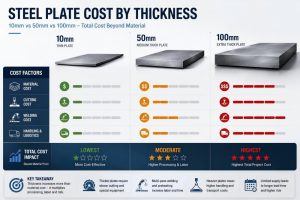
Compare 10mm, 50mm and 100mm steel plate costs beyond material price. Learn cutting, welding and fabrication costs to avoid overpaying.
View details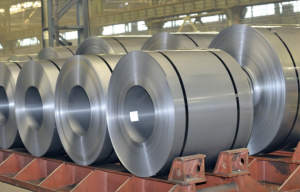
Learn the practical differences between hot and cold rolled steel coils. Discover the right choice for your project and how to source quality steel coil from China with CJM.
View details
HelloPlease log in