 CJM Steel Group Ltd.

Explore the uses of carbon steel coils
2442Carbon steel coils are widely utilized in a range of industries due to their strength, versatility, and affordability.
View detailsSearch the whole station
When comparing PPGI vs PPGL steel sheets, most buyers focus on price and appearance. However, the real difference lies in coating composition, corrosion resistance, and long-term performance.
Understanding the difference between PPGI and PPGL is essential for selecting the right material for roofing, construction, or industrial applications—especially when durability and lifecycle cost matter.
This guide provides a detailed comparison of PPGI vs PPGL, including technical differences, applications, lifespan, and how to choose the right option for your project.
Before comparing, it’s important to understand the basics:
👉 This coating difference directly determines corrosion resistance, heat resistance, and lifespan.
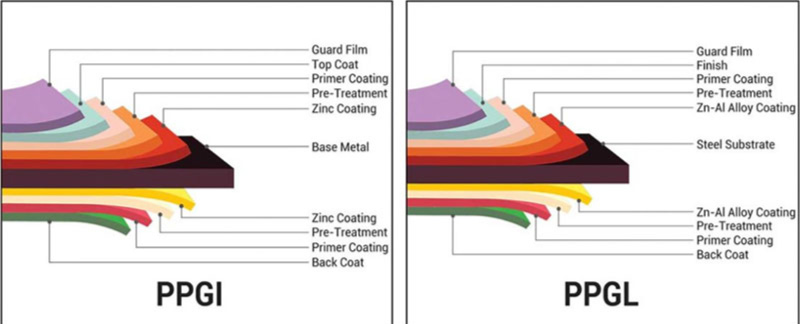
This is the main difference between PPGI and PPGL, and the key factor in any PPGI vs PPGL comparison.
Impact:
👉 PPGL combines both advantages, making it more resistant to oxidation.
Corrosion resistance is one of the most important factors when comparing PPGI vs PPGL steel sheets.
👉 In aggressive environments, PPGL can last 2–4 times longer than PPGI.
Typical service life depends on coating thickness and environment:
Factors affecting lifespan:
👉 For long-term projects, PPGL provides better durability and lower maintenance cost.
👉 PPGL is more suitable for high-temperature environments or roofing exposed to strong sunlight.
👉 For aesthetic applications, PPGI is often preferred.
👉 From a total cost perspective, PPGL is often more economical in long-term use.
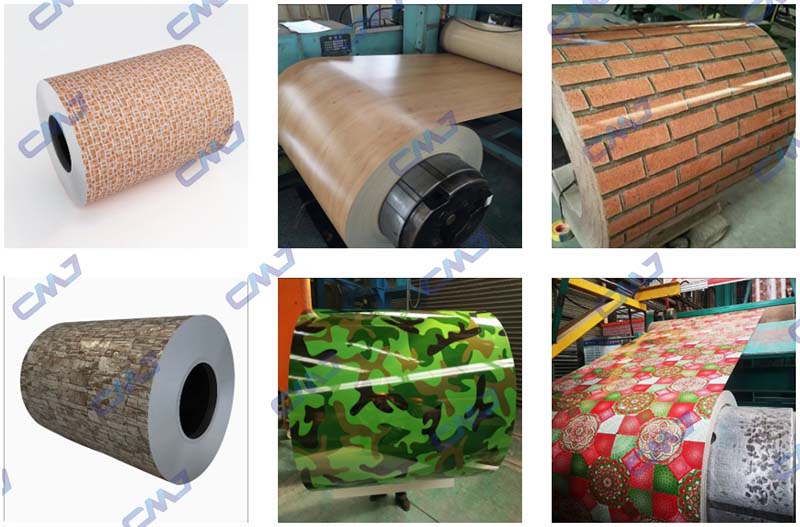
Explore our range of patterned and printed PPGI sheets for decorative building projects.
Not sure which one fits your project better?
Tell us your project location, exposure environment, and expected service life, and we’ll help you choose between PPGI or PPGL with a suitable coating and thickness.
👉 Best for cost-sensitive and indoor or mild environments.
👉 Best for durability-critical and corrosion-prone environments.
Choosing based on price alone can be misleading.
If you’re comparing PPGI vs PPGL for roofing or long-term outdoor use, we can help you evaluate total cost over service life and recommend the right option for your project.
This is one of the most searched questions: which is better, PPGI or PPGL?
The answer depends on your application:
👉 In most demanding applications, PPGL is the better long-term solution.
Check our blog about it to get more idea – How to Choose the Right Steel Sheet for Your Roof.
When sourcing PPGI or PPGL steel sheets, consider the following:
👉 A reliable supplier is as important as choosing between PPGI and PPGL.
The choice between ppgi vs ppgl depends on environment, budget, and application goals. PPGI is cost-effective, decorative, and versatile, while PPGL offers superior corrosion and heat resistance for demanding outdoor use. CJM supply PPGI & PPGL coils, sheets, and customized roofing profiles with stable stock, international packing standards, and fast delivery.
Email: info@cjmstainlesssteel.com
WhatsApp: +86 18191906640
If you’re still comparing PPGI vs PPGL for your project, feel free to contact us with your application and location. We’ll help you make a practical, cost-effective choice.
Carbon steel coils are widely utilized in a range of industries due to their strength, versatility, and affordability.
View details
Why shooting target manufacturers prefer AR500 steel plate for durability and cost efficiency? Learn how target steel properties make it the standard choice.
View details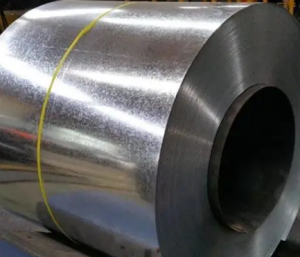
Explore galvanized steel properties including yield strength, tensile strength, hardness, coating specs, and grades for construction and industrial use.
View details
Calculate steel coil weight online. Supports hot & cold rolled, galvanized, stainless, and aluminum coils. Just enter OD, ID, width to get an quick result.
View details
HelloPlease log in