Roofing sheets are widely used in residential, commercial, and industrial buildings due to their durability, corrosion resistance, and cost efficiency. However, with multiple types of roofing sheets available—such as galvanized steel (GI), color coated sheets (PPGI/PPGL), corrugated panels, and galvalume—choosing the right roofing sheet can be confusing.
This guide provides a practical comparison of roofing sheet types, helping you understand their differences and select the most suitable option for your project.
Quick Comparison of Roofing Sheet Types
Type
Coating
Lifespan
Best Use
GI
Zinc
5–15 yrs
Low-cost projects
PPGI
Paint + Zinc
10–20 yrs
Residential
Galvalume
Al-Zn
20+ yrs
Coastal
Corrugated
Profile-based
5–20 yrs
Light structures
Common Roofing Sheet Types Overview
The most widely used roofing sheet types in global construction projects include:
Each type differs in coating, thickness, lifespan, and application scenarios, which directly affects long-term performance and project cost.
Galvanized Steel Roofing Sheets (GI)
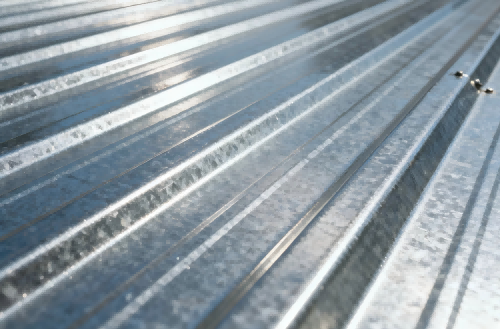
Hot dip galvanized steel roofing sheet with zinc coating for corrosion resistance
Galvanized (Gi) roofing sheets are produced by coating carbon steel with a layer of zinc to protect against corrosion. Different types of galvanized roofing are classified by zinc coating weight, thickness range, and steel substrate.
Reliable corrosion resistance in normal environments
Easy installation and wide availability
Types of GI Roofing Sheets by Zinc Coating Level
The table below outlines the most common types of GI roofing sheets used for roofing applications, from light zinc coating to heavy-duty galvanized roofing.
Galvanized Roofing Type
Low Zinc Coating
Medium Zinc Coating
High Zinc Coating
Zinc Coating
Z40–Z80
Z100–Z180
Z275
Thickness Range
0.18–0.35 mm
0.25–0.50 mm
0.40–0.70 mm
Steel Substrate
DX51D / Q195
DX51D / Q235
Q235 / SGC340
Spangle Type
Regular Spangle
Zero Spangle
Zero Spangle
Typical Service Life*
5–8 years
10–15 years
20+ years
*Service life depends on environmental conditions, roof slope, and maintenance.
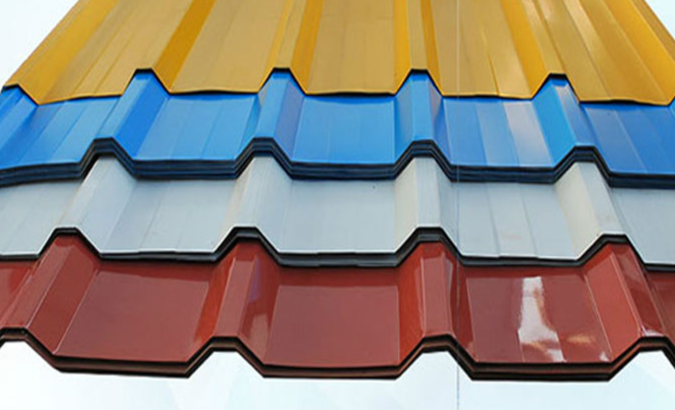
Color coated steel roofing sheet PPGI with protective paint layer
Color coated roofing sheets use galvanized (GI) or galvalume (GL) substrates with a protective paint layer (PE, SMP, or PVDF) applied for enhanced durability and appearance. Different types of coated steel sheets are classified by substrate, coating type, and thickness range. These sheets are widely selected when visual appearance and longer coating life are required.
Typical applications:residential homes, schools, commercial buildings, offices, and urban construction.
Advantages:
Wide color selection
Improved weather resistance
Lower maintenance compared to bare galvanized sheets
Types of Color Coated Steel Roofing Sheets by Coating and Substrate
Specification
Economy
Standard
Premium
Substrate
GI, Z100–Z180
GI, Z180–Z275
GL, AZ150–AZ185
Coating Type
PE
SMP
PVDF
Thickness Range
0.18–0.35 mm
0.25–0.50 mm
0.30–0.60 mm
Typical Coating Life*
8–12 years
12–18 years
20+ years
*Service life depends on environmental conditions, roof slope, and maintenance.
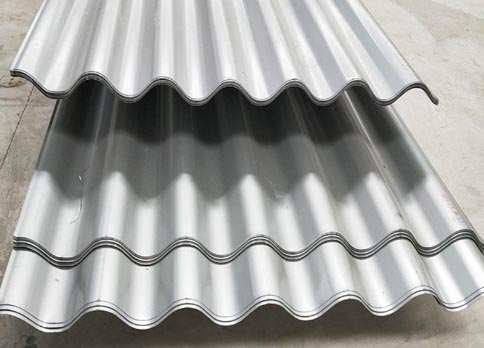
Common corrugated metal panel profiles used for roofing
Corrugated roofing sheets refer to steel sheets formed into wave or trapezoidal profiles. This profile design improves structural strength and water drainage. Different types of corrugated metal panels are classified by profile type, zinc coating, and steel substrate.
Typical applications: farmhouses, sheds, garages, workshops, and light industrial buildings.
Advantages:
Lightweight and strong for easy handling and transport
Improved water drainage due to wave/trapezoidal profile
Compatible with a wide range of roof designs
Types of Corrugated Metal Panels by Profile and Coating
The table below outlines the most common types of corrugated roofing sheets, from light-duty to heavy-duty panels, suitable for various roofing applications.
Corrugated Roofing Type
Light Duty
Medium Duty
Heavy Duty
Profile Type
Wave
Wave / Trapezoidal
Trapezoidal / Custom
Zinc Coating
Z40–Z80
Z100–Z180
Z180–Z275
Thickness Range
0.18–0.35 mm
0.25–0.50 mm
0.40–0.70 mm
Steel Substrate
DX51D / Q195
DX51D / Q235
Q235 / SGC340
Spangle Type
Regular Spangle
Zero Spangle
Zero Spangle
Typical Service Life*
5–10 years
10–15 years
15–20+ years
*Service life depends on environmental conditions, roof slope, and maintenance.
Galvalume Roofing Sheets
Galvalume roofing sheets use an aluminum-zinc alloy coating (typically AZ150–AZ185), offering superior corrosion resistance compared to traditional galvanized steel.
Typical applications: Coastal regions, high-humidity areas, industrial zones with aggressive environments.
Key advantages:
Excellent long-term corrosion resistance
Better heat reflectivity
Longer service life in harsh climates
Galvalume sheets are often selected when lifecycle cost is prioritized over initial material cost.
Tile Profile Steel Roofing Sheets
Tile profile roofing sheets combine the strength of steel with a tile-like appearance. They are usually produced from color coated steel and are popular in residential housing projects.
When comparing types of steel roofing sheets, consider the following factors:
Corrosion resistance– climate, humidity, and proximity to the sea
Thickness and load requirements– roof span and wind load
Coating system– zinc coating vs. paint coating performance
Service life expectations– short-term vs. long-term projects
Budget and availability – material cost and logistics
For cost-driven projects, galvanized or basic corrugated sheets are often sufficient. For residential or long-term projects, color coated or galvalume roofing sheets may provide better overall value.
FAQ for Roofing Sheet Types
Q1: What are the different types of steel roofing sheets? A1: Steel roofing sheets are generally classified into three main types: galvanized (GI) sheets, color coated sheets (PPGI / PPGL), and corrugated metal panels. Each type is distinguished by coating, thickness, steel grade, and profile.
Q2: How are galvanized roofing sheets classified? A2: Galvanized roofing sheets are classified by zinc coating weight, steel substrate grade, and thickness. Typical categories include low zinc coating (Z40–Z80), medium (Z100–Z180), and high zinc coating (Z275), which affect corrosion resistance and service life.
Q3: What are the types of corrugated metal panels? A3: Corrugated metal panels are classified based on profile shape and coating. Common types include wave profile, trapezoidal profile, and custom profiles. The sheet thickness and zinc coating further determine their suitability for light-duty to heavy-duty roofing.
Q4: How are color coated steel roofing sheets categorized? A4: Color coated sheets are classified by substrate, coating type, and thickness range. For example, economy PE-coated sheets on GI substrate, SMP-coated standard sheets, and premium PVDF-coated sheets on GL substrate. Coating type influences durability, appearance, and maintenance requirements.
Q5: What factors should I consider when choosing roofing sheets? A5: When selecting steel roofing sheets, consider: corrosion resistance, thickness and load-bearing capacity, coating type, service life, budget, and aesthetic requirements such as color or profile type.
Q6: Are “iron sheets” or “tin sheets” the same as galvanized roofing sheets? A6: Yes. In many regions, terms like iron sheets, tin sheets, or GI sheets are commonly used to refer to galvanized steel roofing sheets, but the classification by coating, thickness, and profile remains the same.
Q7: How many types of roofing sheets are there? A6: There are five main types of steel roofing sheets: galvanized sheets (GI), color coated sheets (PPGI/PPGL), galvalume sheets, corrugated sheets, and tile profile sheets. These types can be further classified by coating, thickness, and profile design depending on application requirements.
Global Market Preferences for Roofing Sheets
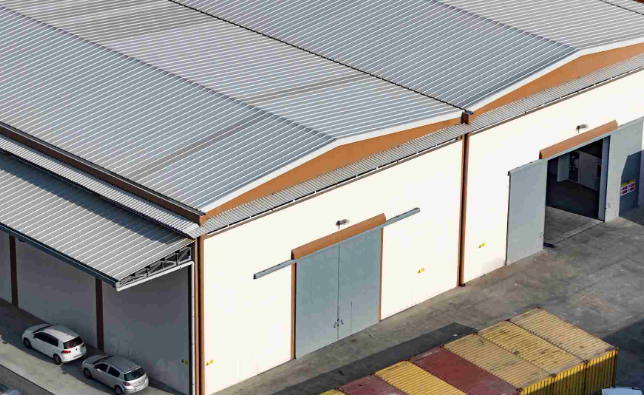
Steel roofing sheets installed on industrial factory buildings
Different regions show clear preferences for roofing steel sheets:
Europe: Preference for higher zinc coatings (Z275+) and PVDF color coated sheets.
Middle East: Strong demand for galvalume sheets due to heat and sand exposure.
Southeast Asia: Balanced use of GI and PPGI sheets, typically 0.25–0.50 mm.
South America: Growing demand for color coated roofing sheets in urban construction.
Conclusion
Understanding the different roofing sheet types helps builders, contractors, and buyers select the most suitable material for their projects. By comparing galvanized, color coated, corrugated, galvalume, and tile profile steel roofing sheets, it becomes easier to balance performance, lifespan, and cost.
Contact us for technical datasheets, customized specifications, and export support.
Compare ASTM A514 grades B, E, H, and Q. Learn key differences in strength, thickness, and applications to select the right A514 steel grade for your project.
Learn the most common automotive steel grades used in car body panels and structural parts, including SPCC, galvanized steel, HSLA and DP600, with their key properties and applications.
 CJM Steel Group Ltd.


HelloPlease log in