 CJM Steel Group Ltd.

H Beam Size Chart and Weight Table for Structural Design
74378Complete H beam size chart and weight table in mm for structural design. Covers EN, JIS, and ASTM standards used in global construction projects.
View detailsSearch the whole station
Pressure vessel steel grades are specifically engineered for manufacturing boilers, storage tanks, and high-pressure equipment. Selecting the right pressure vessel steel plate is essential to ensure safety, long-term performance, and compliance with international standards.
Find equivalent pressure vessel steel grades across ASTM, EN, and GB standards. Quickly compare A516, P265GH, Q345R and other PVQ steel grades in one easy reference chart.
Need help selecting the right pressure vessel steel? Contact us for stock availability and fast quotation.
The following chart provides a quick reference for commonly used pressure vessel steel grades across different international standards.
| ASTM | EN | GB | Common Name | Typical Application |
|---|---|---|---|---|
| A516 Gr 70 | P265GH | Q345R | PVQ Steel | Boilers, pressure vessels |
| A516 Gr 60 | P245GH | Q245R | PVQ Steel | Medium pressure vessels |
| A537 CL1 | P355GH | Q370R | Heat-treated PVQ | High strength vessels |
| A387 Gr11 | 16Mo3 | 12CrMoG | Alloy PV Steel | High temperature service |
| A387 Gr22 | 13CrMo4-5 | 15CrMoR | Cr-Mo Steel | Refinery & petrochemical |
Note: Equivalent grades are not identical. Always verify:
To ensure global compatibility and safety, pressure vessel material grades are standardized by leading international codes. The most recognized are ASTM, EN, and GB.
Check our EN 10028 P265GH / P355GH Steel Plate for more technical specifications.
Understanding the differences between standards helps buyers select the correct material for pressure, temperature, and certification requirements.
| Grade | Standard | Yield / Tensile (MPa) | Elongation (%) | Impact | Temp | Equivalent | Recommended Applications |
| A516 Gr.60 | ASTM | ≥220 / 415–550 | ≥21 | 27J @ -20°C | ≤455°C | EN P265GH / GB Q245R | Boilers, moderate-pressure tanks |
| A516 Gr.70 | ASTM | ≥260 / 485–620 | ≥21 | 27J @ -20°C | ≤455°C | GB Q345R | High-pressure boilers, heat exchangers |
| A285 Gr.C | ASTM | ≥205 / 380–515 | ≥20 | Low | ≤400°C | — | Low-pressure storage tanks |
| A387 Gr.11 | ASTM | ≥275 / 485–620 | ≥20 | Good @ high temp | ≤600°C | — | Petrochemical, power plant vessels |
| A387 Gr.22 | ASTM | ≥310 / 620–760 | ≥19 | High-temp creep | ≤620°C | — | Reactors, high-pressure systems |
| P265GH | EN 10028 | ≥265 / 410–530 | ≥22 | 27J @ 20°C | ≤450°C | ASTM A516 Gr.60 | Boilers, European pressure vessels |
| P355GH | EN 10028 | ≥355 / 470–630 | ≥22 | 27J @ 20°C | ≤450°C | ASTM A516 Gr.70 | High-pressure components, energy sector |
| 16Mo3 | EN 10028 | ≥280 / 450–600 | ≥22 | 27J @ RT | ≤600°C | — | Heat exchangers, steam pipes |
| Q245R | GB 713 | ≥245 / 400–520 | ≥21 | 31J @ 0°C | ≤450°C | ASTM A516 Gr.60 | General pressure vessels, boilers |
| Q345R | GB 713 | ≥345 / 490–610 | ≥21 | 34J @ 0°C | ≤450°C | ASTM A516 Gr.70 | Thick-walled vessels, high-strength tanks |
| 16MnDR | GB 3531 | ≥255 / 470–640 | ≥22 | 41J @ -20°C | ≤-40°C | — | Cryogenic LNG tanks, low-temp vessels |
While comparing pressure vessel steel grades across ASTM, EN, and GB standards, buyers should also pay attention to quality classifications and manufacturing requirements. In practical procurement, PVQ (Pressure Vessel Quality) steel plates are often specified for projects requiring higher safety standards and stricter inspection criteria.
PVQ (Pressure Vessel Quality) steel plates are produced under enhanced quality control processes to meet the stringent requirements of pressure vessel fabrication.
Compared with standard structural steel plates, PVQ steel offers:
Common PVQ steel grades include:
These grades are widely used in ASME-certified pressure vessels, boilers, and petrochemical equipment where reliability under pressure is critical.
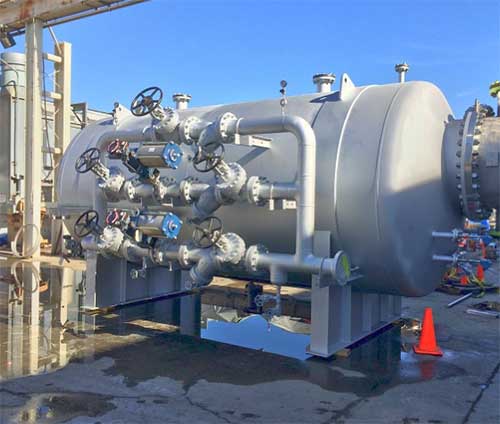
Below is a representative chemical composition comparison of commonly used pressure vessel steel grades:
| Grade | C | Mn | Si | P | S | Cr | Mo | Ni | Notes |
| A516 Gr.60 | 0.21 | 0.55–1.30 | ≤0.40 | ≤0.035 | ≤0.035 | – | – | – | Carbon steel |
| A516 Gr.70 | 0.27 | 0.85–1.20 | ≤0.40 | ≤0.035 | ≤0.035 | – | – | – | Stronger version of A516 Gr.60 |
| A387 Gr.11 | 0.12–0.20 | 0.30–0.60 | ≤0.50 | ≤0.035 | ≤0.035 | 1.00–1.50 | 0.44–0.65 | – | Cr-Mo alloy steel |
| P265GH | ≤0.20 | 0.80–1.60 | ≤0.40 | ≤0.025 | ≤0.020 | – | – | – | EN non-alloy boiler steel |
| P355GH | ≤0.22 | 1.00–1.70 | ≤0.50 | ≤0.025 | ≤0.020 | – | – | – | Higher strength EN grade |
| Q245R | ≤0.20 | ≤1.20 | ≤0.50 | ≤0.025 | ≤0.015 | – | – | – | Chinese std, A516 Gr.60 equiv. |
| Q345R | ≤0.20 | ≤1.70 | ≤0.50 | ≤0.025 | ≤0.015 | – | – | – | Closer to A516 Gr.70 |
Selecting the correct pressure vessel steel grade depends on:
| Working Temperature | Recommended Grades | Notes |
| ≤ 400°C (Normal temp) | A516 Gr.60 / Gr.70, P265GH, Q245R | Cost-effective, good weldability, widely available |
| 400°C – 600°C | A387 Gr.11 / Gr.22, 16Mo3, P355GH, Q345R | Alloyed grades provide heat resistance, creep strength |
| ≤ -20°C (Cryogenic) | 16MnDR, impact-tested A516 Gr.70, Q345R (low temp spec) | Enhanced impact toughness, required for LNG or low-temp vessels |
| Application | Recommended Steel Grades |
| Boilers & Steam Drums | A516 Gr.70, P265GH, Q245R |
| Petrochemical Pressure Vessels | A387 Gr.11 / Gr.22, 16Mo3, P355GH |
| Cryogenic LNG Tanks | 16MnDR, Q345R (tested), A516 with impact toughness at -20°C |
| Heat Exchangers | 16Mo3, A387 Gr.11 |
| Industrial Storage Tanks | A285 Gr.C, A516 Gr.60, Q245R |
| Nuclear or Energy Equipment | A387 Gr.22, 16Mo3, P355GH |
For more information about steel grades for high-pressure applications, you can explore: Structural vs. Pressure Vessel Steel Plates: What’s the Difference?
Understanding pressure vessel steel grades, their differences, and equivalent relationships is essential for engineers and buyers involved in global projects. Whether you are sourcing ASTM A516, EN P355GH, or GB Q345R, selecting the correct pressure vessel steel plate ensures safety, compliance, and cost efficiency.
For project-based sourcing or technical support, feel free to contact us.
Email: info@cjmstainlesssteel.com
WhatsApp: +86 18191906640
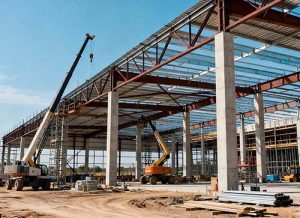
Complete H beam size chart and weight table in mm for structural design. Covers EN, JIS, and ASTM standards used in global construction projects.
View details
Explore 4Cr3Mo3SiV tool steel properties and applications. Find GB 4Cr3Mo3SiV steel plates, suppliers, and manufacturers for hot work and cold work dies.
View details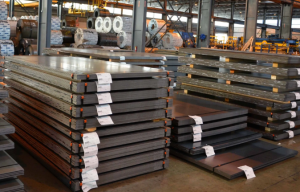
Comprehensive guide about ASTM A514 steel plate: strength, hardness, welding, machinability, chemical composition, and equivalent grades for your projects.
View details
Q355 steel equivalent chart (ASTM, EN, JIS) with yield strength, properties, and grade differences (Q355B/C/D/E). Quick reference for engineers and buyers.
View details
HelloPlease log in