 CJM Steel Group Ltd.

4Cr3Mo3SiV Hot Work Tool Steel | Properties, Applications & Supply Insights
2279Explore 4Cr3Mo3SiV tool steel properties and applications. Find GB 4Cr3Mo3SiV steel plates, suppliers, and manufacturers for hot work and cold work dies.
View detailsSearch the whole station
4140 steel is widely used for components requiring high strength, toughness, and wear resistance. This page provides detailed technical information about 4140 steel properties, including chemical composition, mechanical properties, equivalent grades, technical data, machining, and welding considerations.
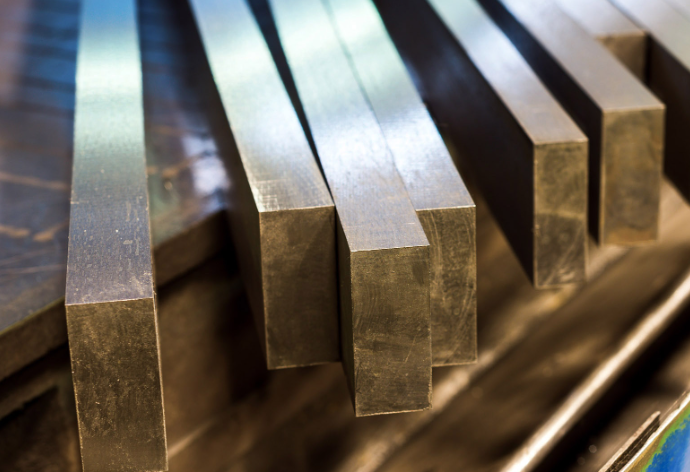
4140 steel is a Cr-Mo low alloy steel. Its chemical composition includes carbon, chromium, molybdenum, manganese, silicon, phosphorus, and sulfur.
| Element | Typical % Range |
|---|---|
| Carbon (C) | 0.38 – 0.43 |
| Chromium (Cr) | 0.80 – 1.10 |
| Molybdenum (Mo) | 0.15 – 0.25 |
| Manganese (Mn) | 0.75 – 1.00 |
| Silicon (Si) | 0.15 – 0.35 |
| Phosphorus (P) | ≤0.035 |
| Sulfur (S) | ≤0.040 |
Element Functions:
These elemental characteristics are critical for understanding how 4140 composition affects heat treatment response and mechanical performance.
4140 steel mechanical properties vary depending on the heat treatment condition. The following table summarizes typical values:
| Heat Treatment | Tensile Strength (MPa) | Yield Strength (MPa) | Elongation (%) | Impact Toughness (J) | Hardness |
|---|---|---|---|---|---|
| Annealed | 655 – 785 | 415 – 585 | 20 – 25 | 35 – 45 | ~197 HB |
| Normalized | 710 – 850 | 470 – 630 | 18 – 22 | 40 – 50 | ~229 HB |
| Quenched & Tempered | 835 – 1080 | 655 – 900 | 15 – 20 | 35 – 45 | 45 – 50 HRC |
Why Properties Vary:
4140 yield strength is an important parameter when evaluating load-bearing performance and selecting the appropriate material condition.
For detailed information about 4140 steel heat treatment, including how different treatment conditions affect performance, refer to our complete guide.
When sourcing internationally, confirming the correct 4140 steel equivalent material is important to ensure consistent performance.
The common 4140 steel equivalent include:
| Country / Standard | Equivalent Grade |
|---|---|
| USA | AISI 4140 / SAE 4140 |
| ASTM | A29 / A322 |
| Germany | DIN 42CrMo4 |
| Europe | EN 1.7225 |
| Japan | JIS SCM440 |
| China | GB 42CrMo |
Checking the correct 4140 equivalent material helps buyers confirm chemical composition, mechanical requirements, and applicable standards before purchasing.
The following technical data provides general reference values for 4140 steel:
| Property | Typical Value |
|---|---|
| Steel Type | Chromium-Molybdenum Alloy Steel |
| Density | 7.85 g/cm³ |
| Elastic Modulus | 205 GPa |
| Tensile Strength | 835 – 1080 MPa |
| Yield Strength | 655 – 900 MPa |
| Hardness | 45 – 50 HRC |
| Melting Point | Approximately 1416°C |
These values may vary depending on manufacturing conditions, heat treatment processes, and applicable standards.
Proper processing is essential to maintain 4140 steel properties:
Understanding 4140 steel applications helps determine the appropriate machining and processing requirements for different components.
Proper welding ensures performance and avoids cracking:
These processing and welding practices help maintain the desired 4140 steel properties, ensuring consistent quality across different manufacturing operations.
CJM Steel supplies 4140 steel products for industrial applications, including:
Products can be supplied with required specifications, cutting services, and quality documentation including Mill Test Certificates.
4140 steel selection depends on chemical composition, mechanical properties, equivalent grades, and processing requirements.
Understanding 4140 steel properties, technical data, and applicable standards helps buyers select the correct material for demanding industrial applications.
For specific requirements or further technical information, please contact us to discuss your needs.
Explore 4Cr3Mo3SiV tool steel properties and applications. Find GB 4Cr3Mo3SiV steel plates, suppliers, and manufacturers for hot work and cold work dies.
View details
Compare cold rolled vs hot rolled steel for appliances. Learn which steel suits appliance panels, frames & manufacturing needs based on strength and cost.
View details
Understand the technical and regulatory differences between structural and pressure vessel steel plates. Compare grades, properties, and applications in one guide.
View details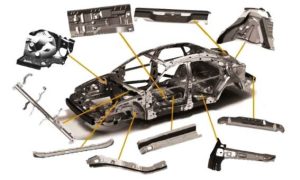
Learn the most common automotive steel grades used in car body panels and structural parts, including SPCC, galvanized steel, HSLA and DP600, with their key properties and applications.
View details
HelloPlease log in