In industries like construction, energy, and manufacturing, selecting the right steel plate isn’t just a matter of strength — it’s about safety, compliance, and long-term performance. Among the most common steel categories are structural steel plates and pressure vessel steel plates. While they may appear similar, their characteristics, applications, and regulatory requirements vary significantly.
This article will walk you through a clear comparison of these two types of steel plates, helping you make confident procurement decisions whether you’re building a bridge or manufacturing a high-pressure storage tank.
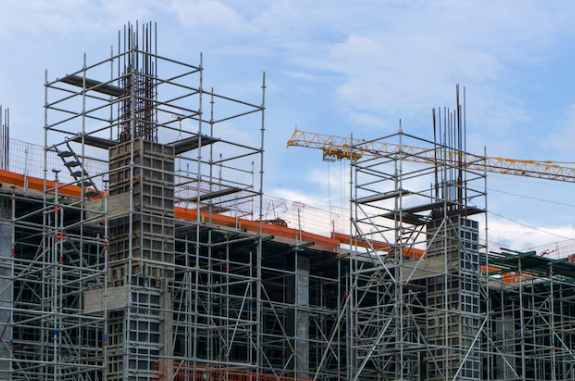
High rise building made of structural steel plates
What Is Structural Steel Plate?
Structural steel plate is engineered for load-bearing applications and is typically used in the construction of buildings, bridges, offshore platforms, and heavy machinery. It is valued for its high yield strength, weldability, and cost-effectiveness.
Key Properties:
High yield strength and tensile strength
Good formability and weldability
Available in both low-alloy and high-strength variants
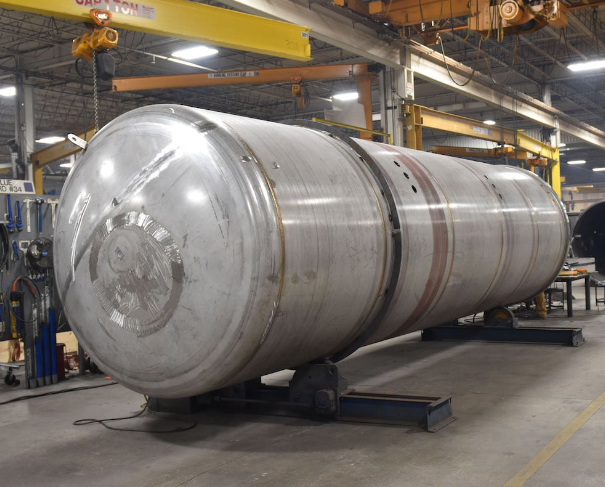
Pressure vessel steel plate, on the other hand, is specifically designed to contain gases or liquids under pressure. These plates must meet stringent safety and toughness standards due to the critical nature of their use.
Key Properties:
Excellent notch toughness and crack resistance
High elongation values
Consistency under high-pressure and high-temperature environments
Common Standards:
ASTM A516 (Grade 60, 65, 70)
EN 10028 (P265GH, P355GH)
ASME SA387 (for chromium-molybdenum alloy plates)
Typical Applications:
Boilers and heat exchangers
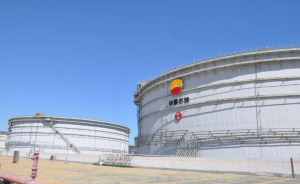
Gas storage tanks
Chemical reactors
Interested in boiler or pressure vessel plates like A516?
Q1: Can I use structural steel in place of pressure vessel steel?
Not advisable. Pressure vessel steel undergoes rigorous testing and certification to ensure it won’t fail under internal pressure. Using structural steel for pressure applications can lead to catastrophic failure and legal liabilities.
Q2: What certifications should I ask for?
For pressure vessel steel, look for certifications like EN10204 3.1/3.2, ASME, and PED compliance. Structural steel typically requires mill test reports (MTRs) and compliance with EN or ASTM standards.
Q3: Which plate is easier to source globally?
Structural steel plates such as A36 and S355 are widely available. Pressure vessel plates, especially in higher grades, may require sourcing from certified mills.
Industry Use Case Snapshots
EPC Contractor Building a Refinery: Needs A516 Grade 70 for pressure vessels due to its notch toughness and code compliance.
Civil Engineering Firm: Chooses A572 Grade 50 to build bridges for its high strength-to-weight ratio.
Power Plant Fabricator: Orders P355GH for steam drums and S355J2+N for structural supports, balancing both categories.
Choosing the Right Plate: What Matters Most?
Design Codes: Pressure vessels are regulated under ASME or PED. Structures follow AISC or Eurocode.
Environment: Offshore or cold-climate projects may demand high-toughness steel.
Weldability: Both types are weldable, but pressure vessel plates often require preheating or post-weld heat treatment.
Understanding the difference between structural and pressure vessel steel plates is essential for safe and cost-effective project execution. If your application involves high-pressure containment, certified pressure vessel steel is non-negotiable. For load-bearing frameworks, structural plates offer a balanced mix of strength and affordability.
Looking to source reliable material for your next project? CJM offers a broad range of structural and pressure vessel plates with full certification and global delivery.
Compare HSLA steel grades, properties, and strength levels. View grade charts and learn how HSLA steel plate is used in structural and industrial projects.
Compare A516, A537 and P355GH steel plates for oil & gas storage tanks. Learn pressure, temperature limits, and how to choose the right tank plate material.
 CJM Steel Group Ltd.


HelloPlease log in