Introduction: Understanding O1 Tool Steel and A2 Tool Steel
When choosing tool steel for knives, dies, or precision tools, O1 tool steel and A2 tool steel are among the most popular options. Both offer high wear resistance and toughness, but they differ significantly in terms of heat treatment, hardness, and performance.
Whether you’re a knife manufacturer, tool maker, or distributor, choosing between O1 and A2 tool steel for sale affects not only blade performance but also cost efficiency and supply stability. This guide compares both grades to help you choose the best steel for production or resale.
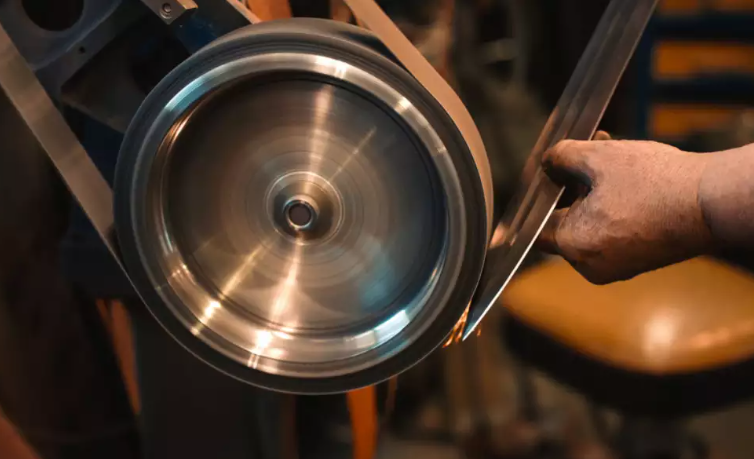
O1 vs A2 tool steel used in knife making
O1 vs A2 Tool Steel in Knife Making
In this guide, we compare O1 vs A2 steel in depth — helping you decide which is better for your application.
What Is O1 Tool Steel?
O1 tool steel is a high-carbon, oil-hardening tool steel known for its excellent edge retention and dimensional stability. It is widely used in:
Knife making (O1 steel for knives, especially custom knives)
Choosing Between O1 and A2 for Different Applications
Knife Making: Use o1 knife steel when edge retention and sharpness are critical; choose A2 knife steel for outdoor or heavy-duty blades.
Tooling and Dies:A2 tool steel performs better for dies and punches under high impact; O1 tool steel is ideal for smaller, precision dies.
O1 vs A2 Tool Steel Price & Availability
In global markets, O1 tool steel is generally more affordable and widely stocked due to its simpler oil-hardening process. A2 tool steel costs slightly more but offers better performance for large or high-precision tools.
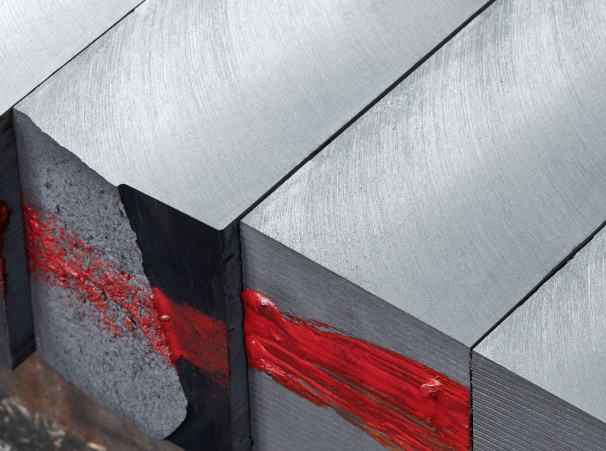
CJM provides both O1 and A2 tool steel for sale, available in plates, sheets, and round bars. Both grades are available from our tool steel stock, complete with mill certificates and global delivery support.We offer cut-to-size service, export packaging, and bulk pricing for international customers.
Which One Is the Best Tool Steel for Knives?
Both o1 knife steel and A2 knife steel are viable, depending on the knife’s purpose.
For fine edge retention and sharpness, go with o1 knife steel
For larger outdoor or survival knives, choose A2 knifesteel for better impact resistance
FAQ
Q1: What is O1 tool steel? A: O1 tool steel is a high-carbon, oil-hardening steel widely used for knives and precision dies.
Q2: What is the difference between O1 and A2 tool steel? A: O1 vs A2 tool steel mainly differs in toughness and heat treatment — O1 is easier to machine and sharper, A2 is tougher and more stable.
Q3: Is O1 tool steel good for knives? A: Yes, o1 knife steel provides excellent edge retention and sharpness.
Q4: Where can I buy O1 tool steel? A: CJM supplies O1 tool steel and A2 tool steel for sale with cut-to-size service and fast global delivery.
Conclusion
The debate of O1 vs A2 steel doesn’t have a single winner—it depends on application.
A2 steel is better for heavy-duty knives and tooling that require toughness.
O1 steel is ideal for precision knives and cutting tools where sharpness matters most.
Get a Quote or Ask About Stock Availability
Looking for a supplier? CJM supplies O1 and A2 tool steel for knives, dies, and industrial tooling — available for sale in plates, bars, and sheets. Contact us for bulk orders, OEM service, and custom-size cutting with fast international delivery.
Explore Incoloy 800, 800H, and 800HT coils in detail—chemical composition, mechanical properties, and industrial applications. Help you to choose wise.
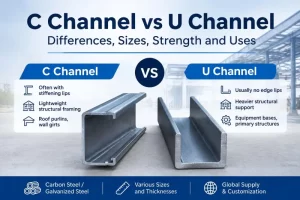
Compare C channel vs U channel steel in differences, sizes, strength, and applications. Learn the key differences and how to choose wisely for your project.
 CJM Steel Group Ltd.


HelloPlease log in