 CJM Steel Group Ltd.

O1 vs A2 Tool Steel: Which is Better for Knives and Tools?
5119Detailed comparison for O1 vs A2 tool steel for knives and tooling in their properties. Find the right O1 or A2 steel supplier with global delivery service.
View detailsSearch the whole station
When selecting materials for pressure vessels, boilers, and heat-resistant equipment, A387 vs A516 steel plate is one of the most critical comparisons in industrial procurement.
Both materials are widely used, but they are designed for very different operating conditions. Understanding the difference between A387 and A516 steel helps buyers make the right decision based on temperature, cost, and long-term performance.
| Property | A387 Steel Plate | A516 Steel Plate |
| Steel Type | Alloy Steel (Cr-Mo) | Carbon Steel |
| Typical Grades | Gr 11, Gr 22, Gr91 | Gr 60, 65, 70 |
| Main Application | High-temperature pressure vessels | Moderate temperature pressure vessels |
| Temperature Resistance | Up to 600°C+ | Typically below 400°C |
| Weldability | Controlled welding required | Excellent |
| Cost Level | Higher | Lower |
In simple terms:
👉 This is the fastest way to understand the A387 vs A516 difference in real projects.
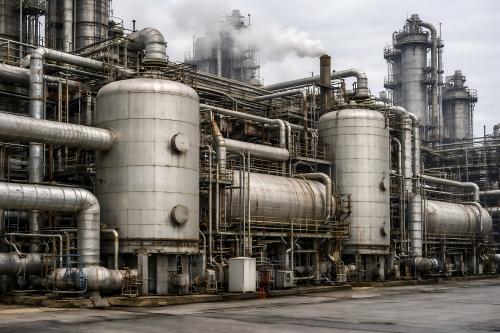
A516 steel plate is the preferred option when:
Typical applications include:
For most standard pressure vessel projects, ASTM A516 steel plate provides a reliable and economical solution (see available specifications and supply options here).
A387 steel plate is designed for elevated temperature service.
It should be selected when:
Typical applications include:
According to ASME Boiler and Pressure Vessel Code (ASME BPVC), A387 is suitable for high-temperature pressure vessel applications where carbon steel is no longer sufficient (explore available A387 steel grades and supply conditions).
The key difference in A387 vs A516 steel plate lies in high-temperature behavior.
According to ASME Section II Part D, the allowable stress of A387 at elevated temperatures is significantly higher than that of A516.
If your project involves:
👉 A387 is the safer long-term choice
👉 A516 steel plate price is significantly lower, making it ideal for cost-sensitive projects.
👉 Higher upfront cost, but:
Lower long-term risk and maintenance cost
👉 Fabrication cost and complexity are higher than A516.
For urgent projects → A516 is easier to source
For high-temperature projects → A387 requires early planning
We supply both A387 and A516 steel plates with:
👉 Consolidated sourcing helps reduce logistics cost and delivery risk.
👉 In this case, A387 is over-engineering and unnecessary cost
👉 In these conditions, A516 may lead to performance loss and higher long-term risk
There is no universally “better” option in A387 vs A516 steel plate — only the right fit for your project.
👉 The most reliable decision rule:
Select based on temperature + lifecycle cost, not just initial price
For more material selection guidance in industrial applications, you can also explore our pressure vessel steel solutions.
Need help selecting between A387 and A516?
Send us your:
👉 We’ll recommend the right grade with pricing and delivery details tailored to your project.
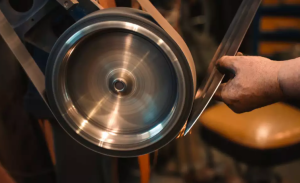
Detailed comparison for O1 vs A2 tool steel for knives and tooling in their properties. Find the right O1 or A2 steel supplier with global delivery service.
View details
Compare HSLA steel grades, properties, and strength levels. View grade charts and learn how HSLA steel plate is used in structural and industrial projects.
View details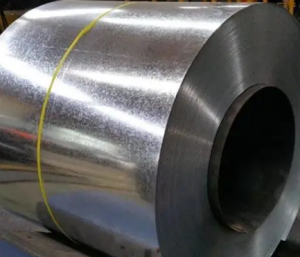
Explore galvanized steel properties including yield strength, tensile strength, hardness, coating specs, and grades for construction and industrial use.
View details
Discover how steel exporters can deal with global policies for sustainable steel export. Learn about green steel, EAF steel production andEU CBAM regulations.
View details
HelloPlease log in