When selecting materials for pressure vessels, boilers, and heat-resistant equipment, A387 vs A516 steel plate is one of the most critical comparisons in industrial procurement.
Both materials are widely used, but they are designed for very different operating conditions. Understanding the difference between A387 and A516 steel helps buyers make the right decision based on temperature, cost, and long-term performance.
A387 vs A516: Quick Comparison
Property
A387 Steel Plate
A516 Steel Plate
Steel Type
Alloy Steel (Cr-Mo)
Carbon Steel
Typical Grades
Gr 11, Gr 22, Gr91
Gr 60, 65, 70
Main Application
High-temperature pressure vessels
Moderate temperature pressure vessels
Temperature Resistance
Up to 600°C+
Typically below 400°C
Weldability
Controlled welding required
Excellent
Cost Level
Higher
Lower
In simple terms:
A516 = cost-first, standard temperature applications
👉 This is the fastest way to understand the A387 vs A516 difference in real projects.
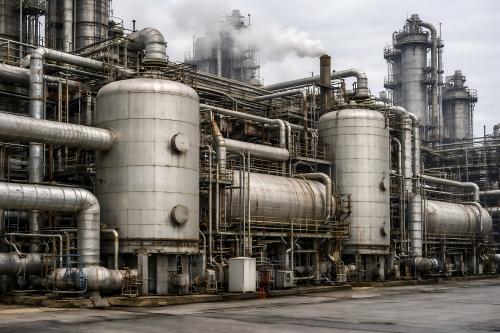
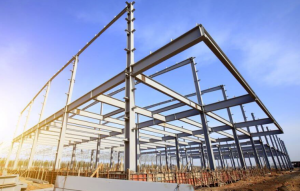
A387 steel plate used in high temperature industrial applications
A387 vs A516: Application-Based Selection
1. When to Choose A516 Steel Plate
A516 steel plate is the preferred option when:
Operating temperature is below 400°C
Budget is a key concern
Fabrication needs to be simple
Typical applications include:
Storage tanks
Oil & gas vessels
Water treatment systems
For most standard pressure vessel projects, ASTM A516 steel plate provides a reliable and economical solution(see available specifications and supply options here).
2. When to Choose A387 Steel Plate
A387 steel plate is designed for elevated temperature service.
It should be selected when:
Operating temperature exceeds 400°C
Equipment is exposed to continuous heat
Long-term strength and creep resistance are required
Typical applications include:
Boilers
Heat exchangers
Refinery units
Power plant systems
According to ASME Boiler and Pressure Vessel Code (ASME BPVC), A387 is suitable for high-temperature pressure vessel applications where carbon steel is no longer sufficient (explore available A387 steel grades and supply conditions).
Temperature Performance Comparison
The key difference in A387 vs A516 steel plate lies in high-temperature behavior.
A516 steel plate loses strength as temperature increases
A387 steel plate maintains stability due to chromium and molybdenum
According to ASME Section II Part D, the allowable stress of A387 at elevated temperatures is significantly higher than that of A516.
If your project involves:
thermal cycling
continuous heat exposure
pressure + temperature combination
👉 A387 is the safer long-term choice
A387 vs A516 Cost Comparison
1. A516 Cost Advantage
Lower alloy content
Easier production
Widely available
👉 A516 steel plate price is significantly lower, making it ideal for cost-sensitive projects.
2. A387 Cost Consideration
Contains Cr and Mo
Requires more controlled production
👉 Higher upfront cost, but:
Lower long-term risk and maintenance cost
Weldability and Fabrication
1. A516 Steel Plate
Excellent weldability
No complex preheating required
Suitable for general fabrication
2. A387 Steel Plate
Requires:
Preheating
Controlled welding procedures
Post-weld heat treatment (PWHT)
👉 Fabrication cost and complexity are higher than A516.
A387 vs A516 Availability and Delivery
1. A516 Steel Plate
Widely available in stock
Shorter delivery time
Suitable for urgent projects
2. A387 Steel Plate
Often produced on order
Longer lead time, especially for thick plates
Practical Supply Advantage
For urgent projects → A516 is easier to source For high-temperature projects → A387 requires early planning
We supply both A387 and A516 steel plates with:
Flexible thickness range
Third-party inspection support
Export-ready packaging
👉 Consolidated sourcing helps reduce logistics cost and delivery risk.
Compare tinplate and enamel steel plate for packaging, cookware, and industrial applications. Discover material strengths, limitations, and best-use scenarios.
See S235, S275 and S355 steel properties, including yield strength, tensile strength, chemical composition and equivalent grades in ASTM, JIS and GB standards.
 CJM Steel Group Ltd.

HelloPlease log in