 CJM Steel Group Ltd.

O1 vs A2 Tool Steel: Which is Better for Knives and Tools?
4830Detailed comparison for O1 vs A2 tool steel for knives and tooling in their properties. Find the right O1 or A2 steel supplier with global delivery service.
View detailsSearch the whole station
Understanding the Best Material for Your Cans, Lids, and Decorative Packaging
When sourcing packaging materials such as tinplate sheets or tin-free steel plates (TFS), buyers often wonder which is the better option. Both are widely used for food cans, aerosol containers, and decorative tins — but they differ in coating type, cost, corrosion resistance, and printability.
This guide compares tinplate sheet vs. tin-free steel (TFS) to help you choose the right material for your packaging projects.
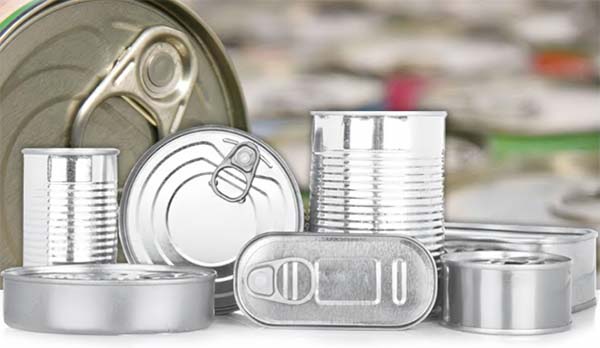
A tinplate sheet is a cold-rolled steel sheet coated with a thin layer of tin (Sn) on both sides, providing excellent corrosion resistance and a bright, decorative finish. When pre-printed with logos or artwork, it becomes a printed tinplate sheet, ideal for high-end packaging.
Because of these properties, tinplate steel remains the top choice for decorative and food-grade packaging manufacturers worldwide.
Tinplate for Food Can Packaging
Tinplate for Aerosol & Spray Cans
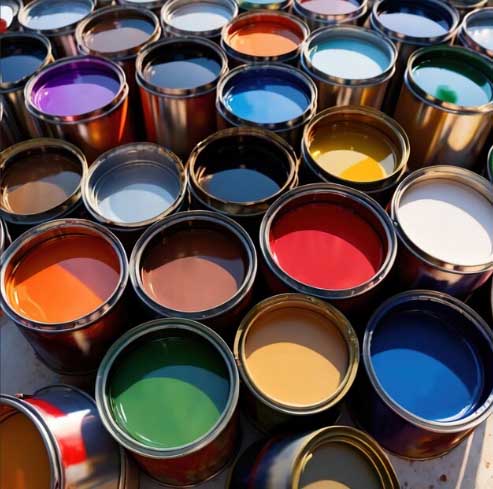
Tin-free steel (TFS), also called Electrolytic Chromium-Coated Steel (ECCS), replaces the tin layer with chromium (Cr) and chromium oxide (CrOx). While it’s not suitable for direct food contact without lacquer, it offers strong lacquer adhesion and lower cost — making it ideal for non-food packaging.
Many buyers choose lacquered tin-free steel plates (ECCS) when sourcing packaging materials for chemical or paint applications.
Tin-Free Steel for Corrosion-Resistant Packaging
| Property | Tinplate Sheet (Printed / Plain) | Tin-Free Steel (TFS / ECCS) |
|---|---|---|
| Coating | Tin (Sn) | Chromium (Cr + CrOx) |
| Corrosion Resistance | Excellent for food packaging | Excellent against sulfur corrosion |
| Printability | Direct printing possible | Requires primer or lacquer |
| Food Contact | Direct or lacquered | Requires lacquer |
| Appearance | Bright, glossy | Matte silver |
| Cost | Moderate cost (typically 15–25% higher due to tin coating and printing) | More cost-effective, especially for large-volume or lacquered applications |
| Common Applications | Food cans, decorative tins, lids | Can ends, EOE lids, chemical containers |
While the term “tin can” is common, most modern cans use tin-plated steel sheet, not pure tin.
Here’s how tin vs. steel compares in packaging use:
This hybrid structure is why tin-plated steel sheets dominate the packaging industry today.
When choosing between tinplate sheet and TFS, consider the following:
CJM supplies both tinplate sheets and tin-free steel plates (TFS) with full customization and export-ready quality:
We export tinplate coils, tin plated steel sheets, and tin-free steel (ECCS) to 40+ countries across Southeast Asia, the Middle East, Africa, Europe, and South America — with fast lead times and low MOQ.
If you’re looking for reliable tinplate packaging materials or trusted tin-free steel suppliers, Contact CJM today for pricing, samples, and technical support. Our team will help you choose the right steel sheet for cans, lids, and packaging applications.
Detailed comparison for O1 vs A2 tool steel for knives and tooling in their properties. Find the right O1 or A2 steel supplier with global delivery service.
View details
Discover how steel exporters can deal with global policies for sustainable steel export. Learn about green steel, EAF steel production andEU CBAM regulations.
View details
Learn what Q195 steel is, its equivalent grades (ASTM A1008, SPCC, DC01), and how it compares with Q235 steel in strength, composition, and applications.
View details
Not sure which roofing sheet to choose? Compare GI, PPGI and Galvalume by cost, lifespan and application to find the best option for your project.
View details
HelloPlease log in