 CJM Steel Group Ltd.

A106 Pipe Dimensions, Sizes & Schedule Chart
329Check A106 pipe dimensions, sizes and schedule chart. Find NPS, DN, OD, wall thickness and Schedule details for ASTM A106 seamless steel pipe.
View detailsSearch the whole station
Turning a shipping container or modular unit into a durable, comfortable, and weather-resistant living or working space always starts from one decision: choosing the right steel. Long-term performance—whether in a coastal climate, a hot desert region, or a high-rainfall area—depends heavily on the wall panels, roofing sheets, and structural plates you select. Yet many builders and project managers struggle with the same questions:
This article simplifies those decisions. It brings together the most commonly used steel options in container housing and modular construction—not as abstract materials, but as real solutions to the structural, thermal, and corrosion challenges that builders face every day.
Looking for materials specifically for ISO container fabrication? Explore our dedicated resource on container steel plates page.
Container-based construction has become mainstream, but the materials have evolved far beyond the thick, heavy plates used in ISO cargo units. For housing, offices, resort cabins, worker dormitories, classrooms, and modular units, the priorities shift:
This is why galvanized steel plates, GI roofing sheets, and lightweight structural plates are now the preferred options.
Hot-dip galvanized steel (GI) remains the most widely used material for container house fabrication. Zinc coating protects the steel from rain, humidity, coastal air, and environmental pollutants—issues frequently reported by modular builders in Southeast Asia, Africa, and the Middle East.
Most container house projects use:
GI steel is especially popular for modular accommodations where moisture and rain exposure are major concerns.
Unlike ISO shipping containers, housing applications rarely use heavy corrugated plates. Instead, builders prefer lightweight steel wall systems that improve thermal and acoustic comfort.
Roofing is one of the most critical areas in container house construction. Without proper coating and profile design, water pooling and corrosion occur quickly, especially in tropical climates.
Because roofing is directly exposed to UV, rain, and wind, galvanized coating dramatically extends service life compared with uncoated steel.
Modular buildings rely on a stable, lightweight, high-strength skeleton. Q345/S355 or equivalent high-strength plates are common choices for:
This is especially beneficial for multi-unit modular buildings and stacked container homes.
Builders often ask whether Corten is still necessary for constructing container houses. Here is the practical view:
| Application | Common Thickness | Notes |
|---|---|---|
| Exterior wall panels | 1.2–1.5 mm | Often paired with insulation |
| Roofing sheet | 0.35–0.60 mm | Corrugated GI recommended |
| Floor support frame | 2.0–3.0 mm | High-strength steel preferred |
| Structural beams | 3.0–4.5 mm | For multi-unit modular buildings |
These are practical ranges used by most prefab manufacturers.
Before placing an order, project managers should consider:
Selecting the correct wall panel, roofing sheet, and structural plate greatly influences both comfort and durability.
CJM supplies galvanized steel plates, GI roofing sheets, high-strength structural plates, and Corten steel for global container house and modular projects.
Our team helps you select the right grade, thickness, and coating based on climate, design, and budget.
→ Contact CJM Steel for specifications, quotes, and expert guidance.
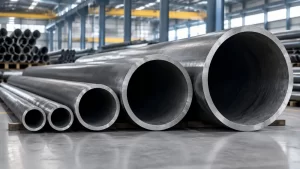
Check A106 pipe dimensions, sizes and schedule chart. Find NPS, DN, OD, wall thickness and Schedule details for ASTM A106 seamless steel pipe.
View details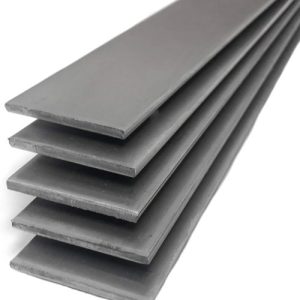
Carbon steel plate is a durable, versatile material used in construction, manufacturing, and industrial applications for structural support.
View details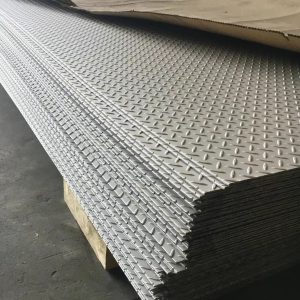
Explore the exact checkered steel plate options for stairs, trailers & factory floors. Compare by thickness, pattern & price. Expert guide from CJM.
View details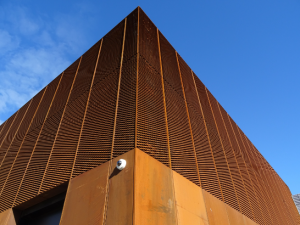
Discover the key differences between weathering steel and regular carbon steel. Learn which grade — Corten A, ASTM A588, or Q355NH — is best for your outdoor project. Fast delivery from China’s trusted steel supplier.
View details
HelloPlease log in