 CJM Steel Group Ltd.

S235 vs S275 vs S355 Steel: Strength, Price & How to Choose
16093Compare S235 vs S275 vs S355 steel in strength, price and applications. Learn the key differences and choose the right steel grade for your project.
View detailsSearch the whole station
The transition to electric vehicles (EVs) is reshaping material requirements across the automotive sector. One of the most critical components is the car battery case, which must ensure both passenger safety and battery performance. The choice of EV battery casing material directly affects crash safety, thermal management, durability, and production cost.
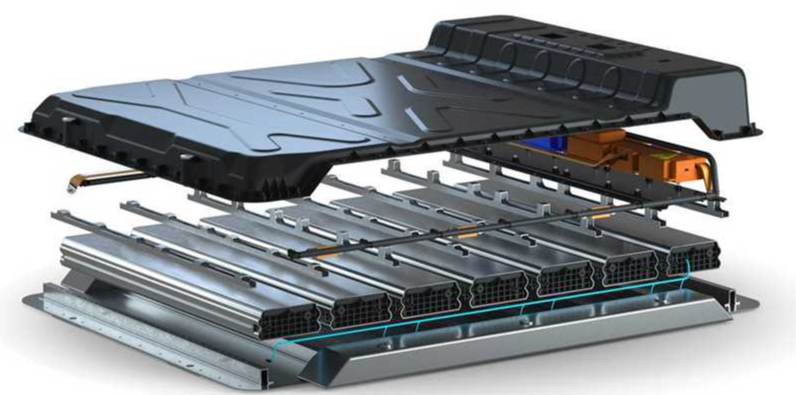
An automotive battery case is not only a protective enclosure but also a structural element. According to Euro NCAP safety reports, the battery pack can account for 20–30% of an EV’s total weight, meaning its housing must withstand significant mechanical stress. A typical case must provide:
Alternative materials such as aluminum and composites are often discussed, yet steel maintains a leading position due to its balance of performance and manufacturability.
Weight reduction is critical for EV range. Advanced High-Strength Steels (AHSS) allow carmakers to reduce thickness while maintaining crash performance. For instance, using high-strength automotive steel plate in battery protection systems can lower case weight by 10–15% versus standard steels, while keeping manufacturing compatible with existing forming processes.
This explains why steel continues to be the most practical choice for mass production of automotive battery cases.
Different stakeholders in the EV value chain may focus on different priorities:
The selection of an EV battery casing material is central to balancing safety, weight, cost, and sustainability. While alternatives exist, steel’s combination of strength, recyclability, and scalability makes it a dependable solution for both carmakers and their supply networks.
Those seeking to explore material options may reference our broader automotive steel plate collection, which covers coated, cold-rolled, and high-strength grades tailored for battery housing and structural applications.

Compare S235 vs S275 vs S355 steel in strength, price and applications. Learn the key differences and choose the right steel grade for your project.
View details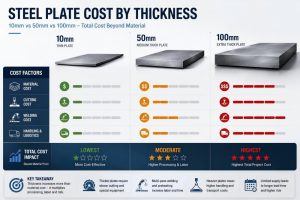
Compare 10mm, 50mm and 100mm steel plate costs beyond material price. Learn cutting, welding and fabrication costs to avoid overpaying.
View details
Steel plate price is affected by freight, MOQ, and standards. Learn how international buyers calculate real procurement cost and optimize sourcing decisions.
View details
Technical comparison of AH36, DH36, and EH36 shipbuilding steel grades. Covers impact toughness differences, applications, and sourcing considerations.
View details
HelloPlease log in