When it comes to modern infrastructure and civil engineering, carbon steel plates remain a fundamental material for load-bearing structures, industrial frames, and large-scale buildings. Whether you’re working on a commercial high-rise, a bridge, or a prefabricated structure, choosing the right steel grade is essential for safety, durability, and project efficiency.
Here are the top 5 carbon steel plate types widely used in global construction projects, each selected for their mechanical performance and availability.
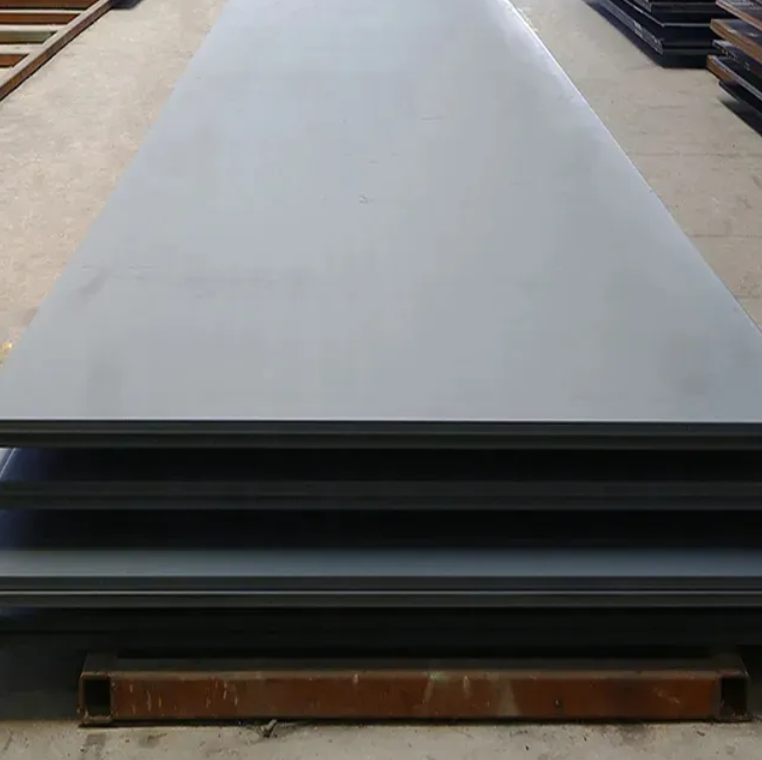
A widely used low alloy high strength steel, Q355 offers excellent weldability and toughness. It is commonly applied in general steel structures and building frames.
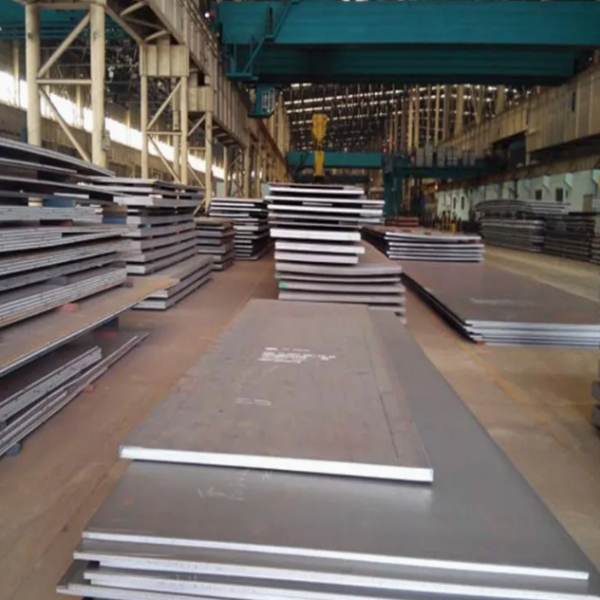
S355 is an EN standard structural steel that’s prevalent in Europe and international projects. With reliable performance and easy fabrication, it’s a favorite for civil structures.
Applications: Stadiums, rail platforms, bridges
Popular Grades:S355JR, S355J2, S355NL
Yield Strength: 355 MPa
Special Feature: Available in normalized or thermomechanically rolled conditions.
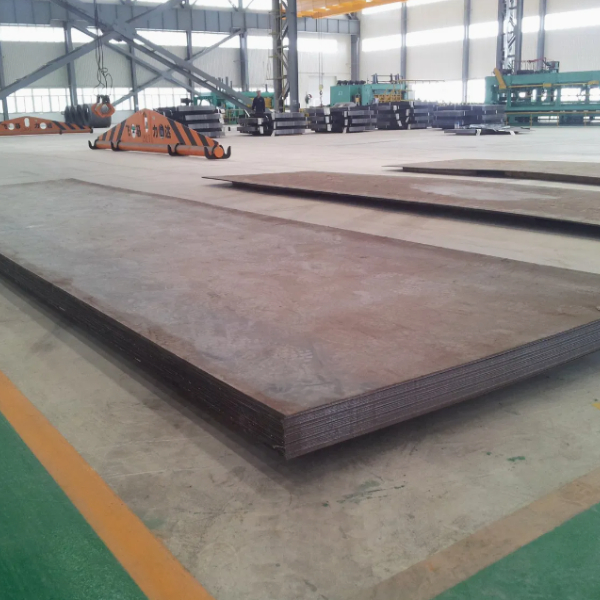
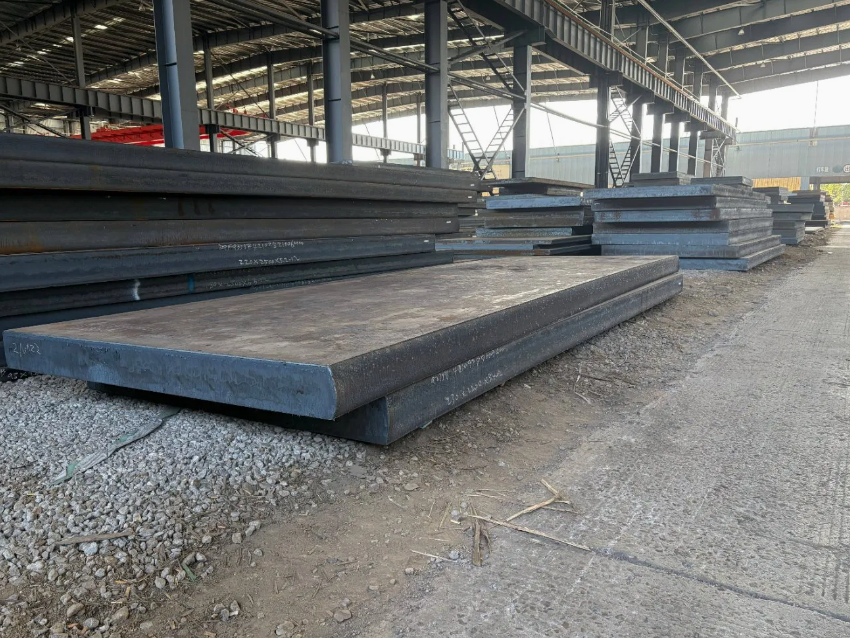
ASTM A572 Grade 50 steel plate used in commercial buildings
3. ASTM A572 Gr.50 Plate
A go-to choice in the American market, A572 Grade 50 offers good strength-to-weight ratio and weldability, used in everything from skyscrapers to bridges.
Applications: Commercial towers, urban overpasses
Grade in Focus:ASTM A572 Grade 50
Yield Strength: ≥345 MPa
Certifications: ASTM A6, A20
Q460 high strength steel for heavy industrial structures
For large structures with dynamic or seismic loads, Q460 offers increased strength without drastically increasing weight. Often used in tower foundations and complex industrial plants.
Applications: Telecom towers, steel skeletons of factories
Grades:Q460C, Q460D
Yield Strength: ≥460 MPa
Bonus: Good impact toughness at low temperatures.
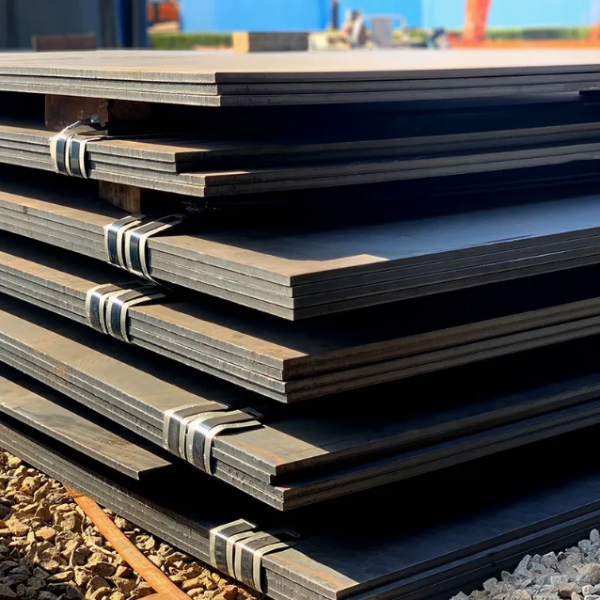
Bridge steel plate ASTM A709 in road and rail projects
Explore how ASTM A615 rebar is used in concrete columns, walls, foundations, beams, driveways, and countertops. Learn grade selection tips for your project.
Explore 4Cr3Mo3SiV tool steel properties and applications. Find GB 4Cr3Mo3SiV steel plates, suppliers, and manufacturers for hot work and cold work dies.
Discover structural steel grades, types, and global standards. Compare A36, S235JR, S355, A572, A588 and more. Practical sourcing tips for global buyers.
 CJM Steel Group Ltd.


HelloPlease log in