 CJM Steel Group Ltd.

Steel Plate Weight Calculator (kg, lb, tonne)
20111Use our steel plate weight calculator to quickly estimate steel weight for carbon, stainless, or galvanized sheets.
View detailsSearch the whole station
Structural steel is one of the most widely used construction materials worldwide. From bridges and buildings to industrial frames and heavy equipment, its strength, reliability, and availability make it a core material in structural engineering.
For buyers, contractors, and project engineers, understanding structural steel material, its grades, properties, and governing standards is essential for proper material selection, cost control, and project compliance.
This guide explains:
Structural steel refers to steel products specifically designed for load-bearing and structural applications. These steels are engineered to provide predictable mechanical performance, good weldability, and sufficient toughness for buildings, bridges, offshore structures, and heavy industrial frameworks.
Compared with general carbon steel, structural steel material is controlled more strictly in terms of:
Structural steel is supplied in forms such as:
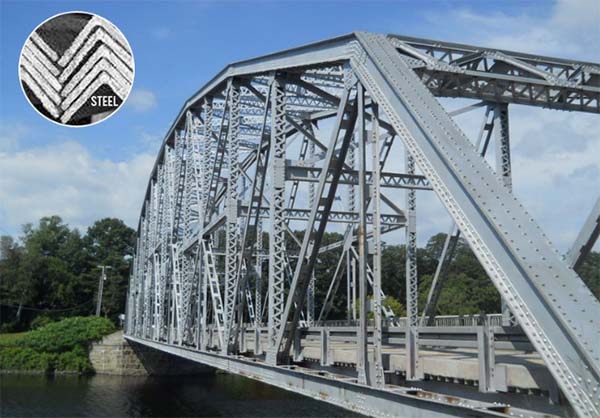
Different countries define structural steel under their own standard systems. Below are widely used structural steel grades and their typical applications:
The ASTM structural steel system is widely adopted in international projects and exports.
These are collectively referred to as ASTM structural steel grades in procurement documents.
For a detailed comparison of these EN standard structural steel grades — including their mechanical properties, chemical composition, and equivalence across standards — see our guide: S235, S275, and S355 Structural Steel Comparison and Properties.
Q355B – High-strength structural steel
Q235B – General construction
The performance of any structural steel material is defined mainly by three categories of properties:
The most important mechanical values specified in standards are:
Typical ranges for common structural steel:
| Grade | Yield Strength (MPa) | Tensile Strength (MPa) |
|---|---|---|
| ASTM A36 | ≥ 250 | 400–550 |
| ASTM A572 Gr.50 | ≥ 345 | 450–620 |
| S355JR | ≥ 355 | 470–630 |
| Q355B | ≥ 355 | 470–630 |
Actual values depend on thickness, production process, and applicable standard.
Structural steel chemical composition directly affects strength, weldability, and toughness.
Key alloying elements include:
Below is a comparison of typical chemical composition limits for commonly used structural steel plate grades:
| Grade | C (%) | Mn (%) | Si (%) | P (%) | S (%) |
| ASTM A36 | ≤ 0.25–0.29 | ≤ 1.20 | ≤ 0.40 | ≤ 0.04 | ≤ 0.05 |
| ASTM A572 Gr.50 | ≤ 0.23 | ≤ 1.35 | ≤ 0.40 | ≤ 0.04 | ≤ 0.05 |
| EN S355JR | ≤ 0.24 | ≤ 1.60 | ≤ 0.55 | ≤ 0.035 | ≤ 0.035 |
| Q355B | ≤ 0.24 | ≤ 1.60 | ≤ 0.55 | ≤ 0.035 | ≤ 0.035 |
Notes:
While not usually decisive for grade selection, physical properties include:
These values are relatively consistent across carbon structural steels.
For an overview of commonly supplied structural steel plate grades and standard size ranges used in international projects, you may refer to our structural steel product overview.
ASTM defines a comprehensive system for astm structural steel products.
Key standards include:
Each standard specifies:
When sourcing internationally, it is important to confirm:
Detailed specifications for commonly used ASTM structural steel grades such as A36 and A572 Grade 50 can be found in grade-specific technical pages.
Selecting the appropriate grade depends on:
For practical sourcing guide of structural steel across construction and machinery sectors, see: Structural Steel Sourcing Guide: Types, Grades, and Global Standards.
If you are comparing structural steel plate grades, checking equivalents, or selecting the right grade for your project, contact our team for a consultation and sourcing options.

Use our steel plate weight calculator to quickly estimate steel weight for carbon, stainless, or galvanized sheets.
View details
Learn about the most used carbon steel plates in construction: Q355, S355, A572, A709, Q460. Ideal for frames, bridges, towers, and industrial structures.
View details
Discover the best NM400, NM450, and NM500 wear-resistant steel plates for mining and quarry equipment. Improve durability and reduce downtime with CJM Steel.
View details
Discover the key differences between weathering steel and regular carbon steel. Learn which grade — Corten A, ASTM A588, or Q355NH — is best for your outdoor project. Fast delivery from China’s trusted steel supplier.
View details
HelloPlease log in