 CJM Steel Group Ltd.

C Channel vs U Channel Steel: Differences, Sizes, Strength and Uses
871Compare C channel vs U channel steel in differences, sizes, strength, and applications. Learn the key differences and how to choose wisely for your project.
View detailsSearch the whole station
The automotive industry relies heavily on different types of automotive steel sheet to balance strength, formability, cost, and durability. Selecting the right automotive steel grades is essential for car body panels, chassis structures, and safety-critical components.
Automotive steel grades refer to standardized classifications that define the chemical composition, mechanical properties, and formability of steel used in vehicle manufacturing. These grades help engineers and procurement teams understand why different steels are used in specific automotive applications, and how they differ in strength, formability, and performance.
Many automotive steel grades discussed in this guide—such as SPCC, galvanized steel, HSLA, and DP grades—are commonly supplied in coil or sheet form for production and repair applications, often processed from cold rolled base material provided by a carbon steel coil supplier. If you already have a target application, confirming grade, thickness, and surface requirements is often the next step.
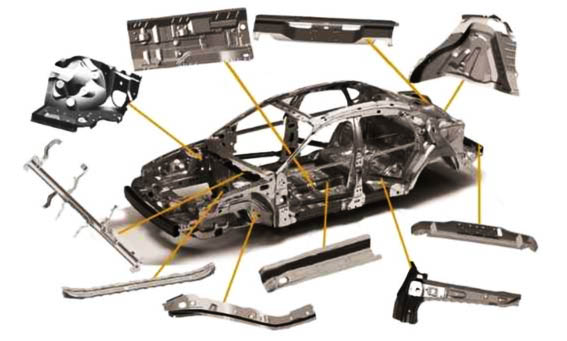
Galvanized automotive steel sheets are widely used for outer body panels and structural components where long-term corrosion resistance is required.
👉 For more details on corrosion protection and why galvanized sheet is widely chosen for car body applications, see our guide: Automotive Steel Sheet for Car Body | Why Galvanized Steel.
When selecting steel grades used in automotive industry, decision-makers must balance cost, performance, and compliance:
In practice, automotive material selection usually starts from the vehicle part and performance requirement, then narrows down to 1–2 suitable steel grades for specification confirmation.
For manufacturers sourcing automotive steel sheets internationally, confirming grade standards, thickness range, and coating requirements is usually the final step before procurement.
Navigating these trade-offs can be complex. If you’re unsure which grade is most cost-effective for your specific project, our technical experts can help.
→ [Get a Free Material Selection Consultation]
The table below summarizes commonly used automotive steel grades and explains how each grade is typically applied in vehicle structures based on strength, formability, and corrosion requirements.
| Steel Type | Common Grades | Key Properties | Typical Applications |
| Mild Steel | SPCC, DC01 | High ductility, low cost, excellent finish | Body panels, general stamping parts |
| HSLA Steel | QSTE420TM, HR440B | Strength 350–550 MPa, good weldability | Chassis, suspension, reinforcements |
| AHSS (Dual Phase, TRIP) | DP600, DP780, TRIP | High strength-to-weight, crash energy absorption | Bumpers, side beams, crash structures |
| Galvanized Steel | GI, GA, SPGC | Corrosion resistance, paintability | Exterior body, battery enclosures |
| Cold Rolled Steel | CR2, CR3, SPCD | Excellent surface and formability | Doors, hoods, fenders, visible panels |
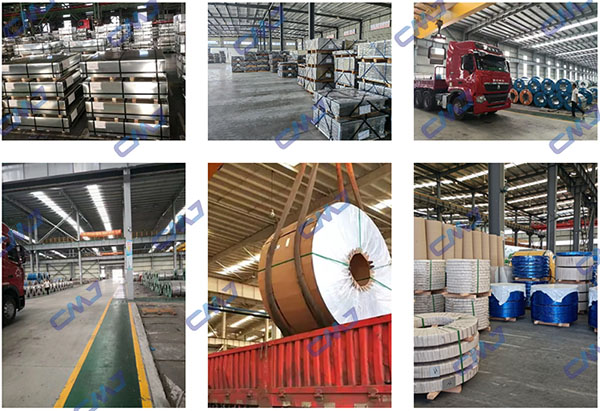
CJM supplies automotive steel sheets and coils for stamping, fabrication, and replacement parts manufacturing worldwide.
→ Request Latest CIF / FOB Price Based on Your Destination Port
Selecting the right automotive steel grades is a critical decision that impacts performance, cost, and safety. While this guide provides a foundation, every project is unique.
For a personalized recommendation and to ensure your material meets exact specifications, submit your requirements to our engineering team for a free analysis. Or, browse our product page of automotive grade sheet metal to see immediate availability.
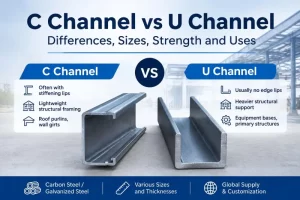
Compare C channel vs U channel steel in differences, sizes, strength, and applications. Learn the key differences and how to choose wisely for your project.
View details
Discover which steel plate grades suit offshore oil & gas and shipbuilding. Compare EH36, AH36, API 2H, and S420G2 for corrosion resistance, strength, and certification.
View details
Compare S235 vs S275 vs S355 steel in strength, price and applications. Learn the key differences and choose the right steel grade for your project.
View details
Technical comparison of AH36, DH36, and EH36 shipbuilding steel grades. Covers impact toughness differences, applications, and sourcing considerations.
View details
HelloPlease log in