 CJM Steel Group Ltd.

42CrMo Equivalent | Material, AISI & Russian Standard Comparison
3501Find 42CrMo equivalent materials including AISI 4140 and Russian GOST grades. Learn differences and choose the right steel pipe for your project.
View detailsSearch the whole station
🔹 Quick Grade Selection — ASTM A709
→ Standard bridge, cost-sensitive project → Grade 50
→ Exposed structure, unpainted finish → Grade 50W (weathering steel)
→ Long-span bridge or cold climate project → HPS 70W
→ Need rounds or angles for exposed members → Grade 50W rounds / corten anglesAll grades available export-ready from China with Mill Test Report (MTR) and SGS inspection.
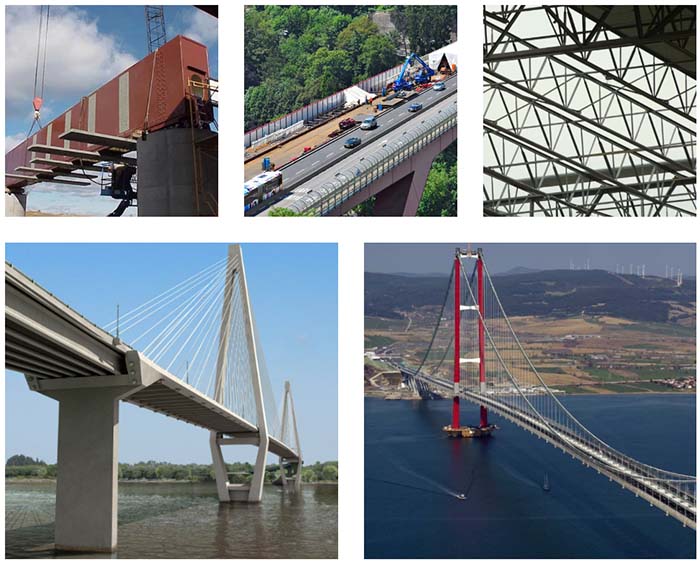
ASTM A709 is the structural steel specification for bridge construction in the United States, covering a range of carbon and high-strength low-alloy (HSLA) steels for critical load-bearing members.
If your project involves highway bridges, pedestrian crossings, railway overpasses, or similar infrastructure, your engineer or client specification is likely referencing one of three grades: Grade 50, Grade 50W, or HPS 70W.
Each grade serves a different structural and environmental purpose. This guide helps procurement managers and project teams understand the differences and make the right material decision before sourcing.
Key performance requirements addressed by ASTM A709 include:
Grade overview:
Before reviewing each grade in detail, the table below provides a side-by-side comparison to help narrow down your selection based on project requirements.
| Factor | Grade 50 | Grade 50W | HPS 70W |
|---|---|---|---|
| Yield Strength | 345 MPa (50 ksi) | 345 MPa (50 ksi) | 485 MPa (70 ksi) |
| Tensile Strength | 450–620 MPa | 485–620 MPa | 585–760 MPa |
| Corrosion Resistance | Standard | Self-patina (no paint) | Self-patina (no paint) |
| CVN Toughness | Required | Required | Required |
| Paint Required | Yes | No (if exposed) | No (if exposed) |
| Relative Cost | $ | $$ | $$$ |
| Available Forms | Plate, heavy plate | Plate, rounds, angles | Plate, heavy plate |
| Best For | General bridges | Exposed structures | Long spans, cold climates |
Grade 50 is the standard choice for conventional bridge construction where atmospheric corrosion resistance is not a primary requirement and protective coating systems will be applied.
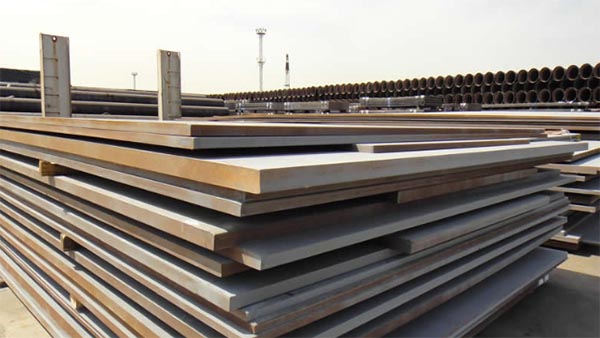
Grade 50W forms a stable protective oxide layer (patina) when exposed to suitable environments, reducing the need for painting and long-term maintenance. It is commonly specified for exposed bridge structures where lifecycle cost control is a priority.
HPS 70W enables lighter structural designs while maintaining excellent fracture resistance, even in colder climates. It is typically specified when Grade 50W does not provide sufficient strength for the structural demand.
ASTM A709 steel is available in several product forms depending on structural function and fabrication method:
These forms reflect design and fabrication choices, not performance differences within the ASTM A709 specification itself. The grade selected determines corrosion resistance and strength; the product form is determined by the structural detail and fabrication requirement.
For detailed dimensions, thickness ranges, and available grades used in bridge fabrication, you can refer to our ASTM A709 steel plate product page.
ASTM A709 Grade 50W weathering steel is particularly suitable for unpainted, exposed bridge structures. Its protective patina develops naturally over time, minimizing further corrosion under appropriate environmental conditions.
Grade 50W is often specified for:
Important: Grade 50W performs best in environments with alternating wet and dry cycles. It is not recommended for constant water contact, buried conditions, or highly industrial or marine environments.
| Grade | Yield Strength (MPa) | Tensile Strength (MPa) | Elongation (%) | Charpy V-Notch Toughness |
|---|---|---|---|---|
| 50W | 345 | 485–620 | ≥ 18 | Good at ambient temps |
| HPS 70W | 485 | 585–760 | ≥ 19 | Excellent at low temps |
From a selection perspective:
| Feature | A709 Grade 50W | ASTM A588 |
|---|---|---|
| Designed for | Bridge construction | General structures |
| CVN toughness | Mandatory | Not required |
| Fracture-critical use | Covered | Not specified |
| Yield strength | 345 MPa | 345 MPa |
| Corrosion resistance | Similar | Similar |
| Bridge use | Correct spec | Not recommended |
For any fracture-critical bridge member, always specify ASTM A709 — not A588.
Use Grade 50 when:
Use Grade 50W when:
Use HPS 70W when:
Certifications:
Available forms:
Lead time:
Export ports: Tianjin, Qingdao, Shanghai
Contact CJM Steel for specifications, availability, and pricing
Find 42CrMo equivalent materials including AISI 4140 and Russian GOST grades. Learn differences and choose the right steel pipe for your project.
View details
What dictates steel plate MOQ? Discover why heat limits & testing drive minimums. Get practical sourcing strategies to bypass mill limits easily.
View details
Discover 4140 steel overview: key specifications, broad applications in automotive, machinery, and energy industries and main features for buyers and engineers.
View details
Guía completa sobre la placa de acero esmaltado: características, usos industriales y diferencias frente a otros materiales.
View details
HelloPlease log in