 CJM Steel Group Ltd.

Advantages of Carbon Steel Rods
1724Carbon steel rods are strong, durable materials used in construction, manufacturing, and machinery for structural support and components.
View detailsSearch the whole station
In the oil & gas industry, the structural integrity of storage tanks depends heavily on the quality and specification of the steel plate for tank fabrication. Whether you’re building atmospheric tanks, pressure vessels, LNG terminals, or crude oil reserves, selecting the proper material is a technical and safety-critical decision.
This article breaks down the most appropriate carbon steel and pressure vessel steel grades, their material characteristics, standards, and project-specific considerations — to help engineers and EPC contractors make confident, informed material decisions.
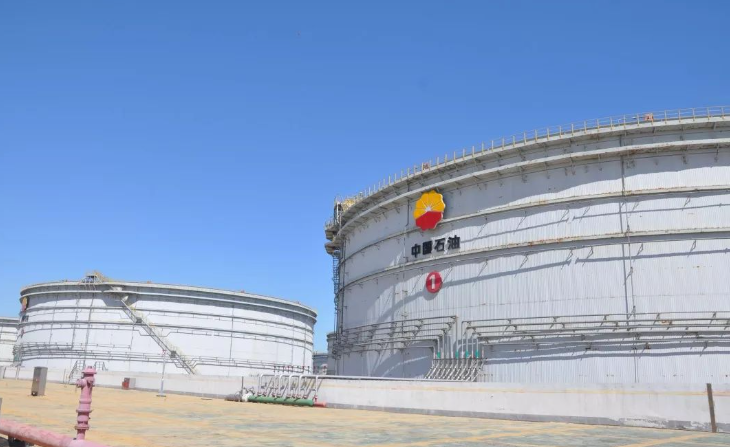
Storage tanks in oil & gas applications are exposed to high internal pressure, aggressive chemicals, and fluctuating temperatures. A material failure can cause environmental contamination, financial loss, or catastrophic accidents.
That’s why choosing the right steel plate for the oil & gas industry, especially for storage tank and pressure vessel fabrication, is a critical engineering and safety decision. EPC engineers typically specify materials that comply with standards such as ASME Section VIII, EN 10028, and API 650/620 to ensure regulatory compliance and long-term operational safety.
In practical applications, common tank plate material grades include ASTM A516 Grade 70 for refinery tanks and carbon steel plates for fuel and oil storage. For low-temperature applications such as LNG tanks, steel sheet for the oil & gas industry must provide enhanced impact resistance and cryogenic toughness to ensure long-term reliability.
In oil & gas projects, tank plate material selection for oil tank material and pressure vessel steel applications is primarily driven by design pressure, operating temperature, stored media, and applicable construction codes such as API 650, API 620, and ASME Section VIII.
| Application | Recommended Grade | Standard | Notes |
|---|---|---|---|
| Atmospheric storage tanks | A516 Gr.70 | API 650 | Most widely used tank plate material |
| Low-temperature tanks (LNG/LPG) | A516 (LT tested) | API 620 | Requires impact toughness |
| High-pressure vessels | A537 Class 1 | ASME Section VIII | Higher strength & thickness |
| European projects | P355GH | EN 10028 | CE-marking & EN compliance |
The following grades are widely specified as tank plate or gas steel plate materials in oil & gas storage tanks, separators, and pressure-containing equipment.

This is the most widely accepted material for pressure vessels and tank shells due to its excellent toughness and moderate strength. A516 Grade 70 is particularly common in crude oil tanks and separators.
A537 is a quenched and tempered pressure vessel steel, typically used in applications requiring higher impact resistance or thicker wall construction.
For applications requiring design temperatures below -20°C, Class 1 is preferred due to its better impact performance.
For European projects, these EN-compliant plates are often used as equivalents to A516, offering similar properties with CE-marking capability and dual certification options.
Choosing the right grade is only one part of the decision. Experienced steel plate buyers—from tank manufacturers, refinery EPCs, to oil terminal constructors—often also evaluate:
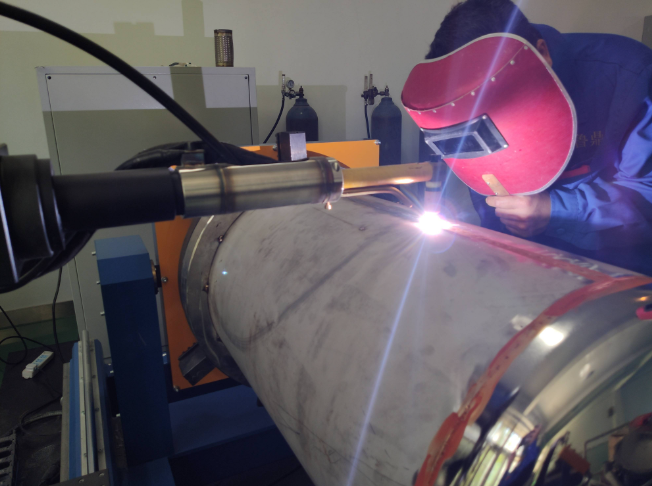
For long-term performance, buyers may request:
These can all be pre-processed at the mill or by the supplier, significantly reducing fabrication time on-site.
When sourcing steel plate for the oil & gas industry, prioritize:
| Factor | Recommendation |
|---|---|
| Pressure Rating | A516, A537, or P355GH |
| Impact Resistance | A516 Gr. 70N / A537 Class 1 |
| Temperature Sensitivity | A516 with low-temp test or alloy-enhanced plate |
| Code Compliance | ASTM / ASME / API / EN standards |
| Weldability | Low Ceq, normalized delivery, UT-tested |
| Logistics | Plate dimensions suitable for container or bulk delivery |
For engineering teams and EPC contractors moving from material selection to procurement, CJM provides certified steel plates for oil & gas storage tanks and pressure vessels, including ASTM A516 Grade 70, A537 Class 1, and EN 10028 P355GH, with ultrasonic testing and custom cutting services available based on project requirements.
WhatsApp: +86 181 9190 6640
Email: info@cjmstainlesssteel.com
Carbon steel rods are strong, durable materials used in construction, manufacturing, and machinery for structural support and components.
View details
Explore the best steel plates for oil and gas pipelines and storage tanks. Learn about API 5L, A516, A387, and more for your high-pressure needs.
View details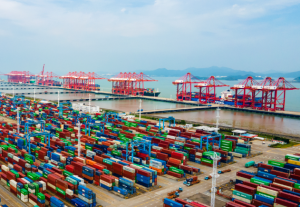
Learn how to source quality steel plates from China with expert tips on supplier selection, packaging, and pricing. Optimize your sourcing process with CJM.
View details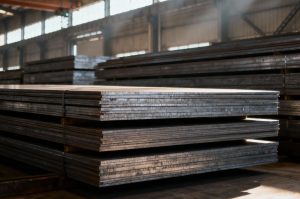
Looking for ASTM A572 equivalent material? Check Grade 50 equivalents (EN/GB), yield strength chart, and verified properties to avoid wrong material selection.
View details
HelloPlease log in