 CJM Steel Group Ltd.

Structural Steel Sourcing Guide: Types, Grades, and Global Standards
3776Discover structural steel grades, types, and global standards. Compare A36, S235JR, S355, A572, A588 and more. Practical sourcing tips for global buyers.
View detailsSearch the whole station
A Brief Talk on Alloy Steel
Alloy steel is a high-performance material widely used in industries such as automotive, construction, and aerospace due to its superior strength, durability, and corrosion resistance. By combining iron with elements like chromium, nickel, and molybdenum, alloy steel achieves enhanced mechanical properties suited for demanding applications. The high-strength alloy steel is particularly valued for its ability to withstand extreme conditions while maintaining structural integrity.
One of the key benefits of alloy steel is its adaptability to various heat treatments and machining processes. This allows manufacturers to create components with precise hardness, toughness, and wear resistance. Additionally, corrosion-resistant alloy steel is essential for environments exposed to moisture, chemicals, or high temperatures, ensuring longevity and reduced maintenance costs.
Industries rely on alloy steel for critical applications such as pipelines, heavy machinery, and structural frameworks. Partnering with reputable alloy steel suppliers ensures access to high-quality materials that meet stringent industry standards for performance and safety.

Discover structural steel grades, types, and global standards. Compare A36, S235JR, S355, A572, A588 and more. Practical sourcing tips for global buyers.
View details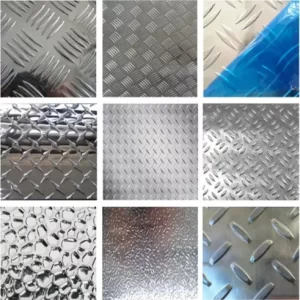
Checkered plate thickness 2.5–12mm, weight 19.6–94.2 kg/m². Diamond, five-bar & lentil patterns. Grades A36, Q235, S235JR & galvanized. Size guide included.
View details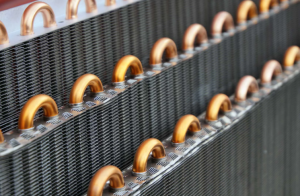
Explore Incoloy 800, 800H, and 800HT coils in detail—chemical composition, mechanical properties, and industrial applications. Help you to choose wise.
View details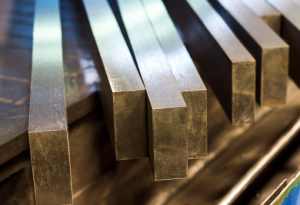
Detailed 4140 steel technical data including chemical composition, mechanical properties, equivalent grades, machining, and welding considerations.
View details
HelloPlease log in