Choosing the Right Steel for Global Construction Success
In the world of modern infrastructure—whether it’s high-rise buildings, highway bridges, or offshore energy structures—the type of steel plate used often determines the project’s safety, longevity, and compliance. But with dozens of grades available, which ones are actually being used in international construction projects today?
This guide introduces 10 of the most widely adopted steel grades across global construction sites. From pressure vessel fabrication to structural support, each grade plays a specific role backed by mechanical strength, weldability, and international certification.
Application-Driven Grade Selection: What Global Buyers Care About
Rather than just comparing technical specs, international buyers are now making choices based on:
Local compliance (ASTM, EN, JIS equivalency)
Weather or seismic adaptability
Weldability and pre-qualification support
Delivery availability across regions
Dual/multi-grade certifications for bidding flexibility
Let’s take a look at how these needs align with real-world grade usage.
1. A36 – Versatile and Cost-Effective for General Structures
Standard: ASTM A36
Applications: Industrial sheds, platforms, tanks
Key Traits: Excellent weldability, ductility, widely available
Mechanical Strength: Yield ≥ 250 MPa
Used in: Projects where high strength isn’t critical but fabrication speed is
2. A283 (Grade C) – Budget-Friendly for Low-Pressure Structures
Standard: ASTM A283
Best For: Non-critical building structures, pressure-free tanks
Advantages: Lower carbon content, easy forming
Yield Strength: ~205 MPa
Popular in: Projects with tight budgets and mild stress environments
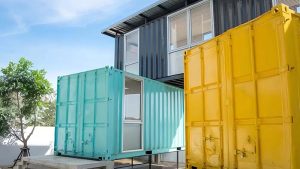
Explore galvanized wall panels, GI roofing sheets, and steel plates for container houses and modular buildings. Learn how to choose properly for your projects.
Compare cold rolled vs hot rolled steel for appliances. Learn which steel suits appliance panels, frames & manufacturing needs based on strength and cost.
 CJM Steel Group Ltd.





HelloPlease log in