 CJM Steel Group Ltd.

Placa de Acero Esmaltado (Enamel Steel Plate): Características, Usos y Cómo Elegir el Material Adecuado
3630Guía completa sobre la placa de acero esmaltado: características, usos industriales y diferencias frente a otros materiales.
View detailsSearch the whole station
Carbon steel profiles refer to structural shapes produced through hot rolling or forming processes to achieve specific cross-sections such as I-beams, channels, angles, and flat bars. These profiles provide essential structural support in construction, infrastructure, and manufacturing, valued for their strength, rigidity, and cost-efficiency.
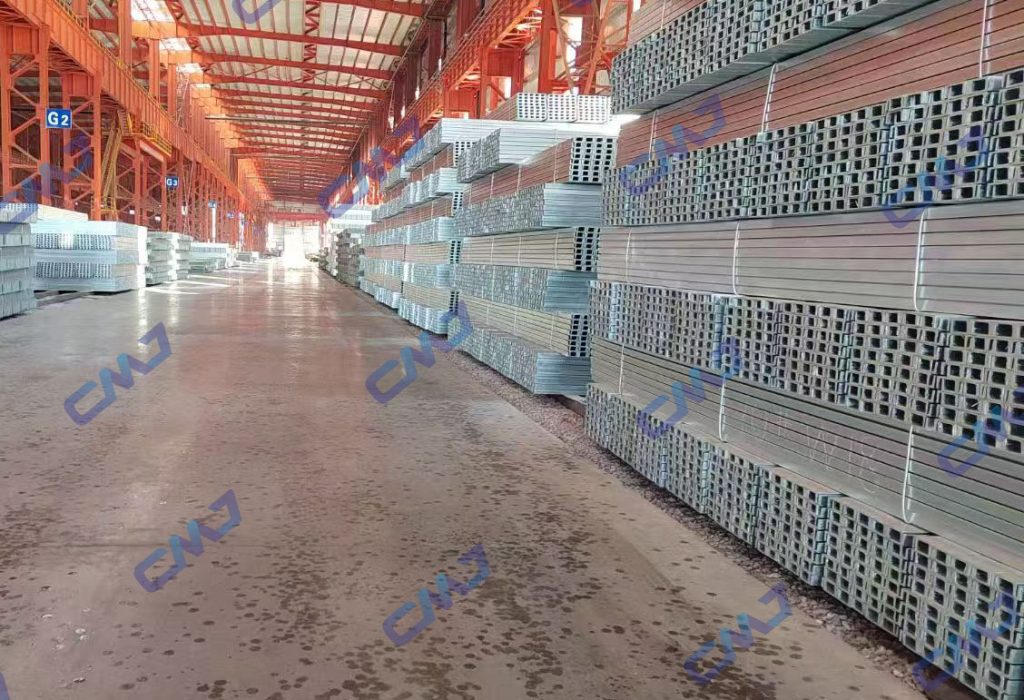
Hot rolled carbon steel profiles offer excellent machinability, weldability, and impact resistance. Depending on the grade, they can be optimized for both heavy-duty and precision applications. Their durability and flexibility make them ideal for high-stress environments, including industrial machinery and steel frameworks.
Carbon steel profiles are extensively used in:
Choosing a carbon steel profile supplier with strict quality control ensures compliance with ASTM, EN, and JIS standards, guaranteeing consistency in performance and safety.
CJM provides a wide range of custom carbon steel profiles, tailored to meet global project requirements in construction, shipbuilding, and heavy industry.
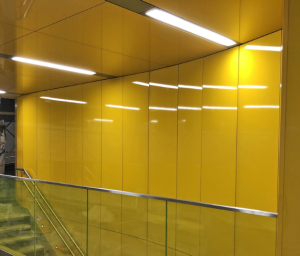
Guía completa sobre la placa de acero esmaltado: características, usos industriales y diferencias frente a otros materiales.
View details
Detailed comparison for O1 vs A2 tool steel for knives and tooling in their properties. Find the right O1 or A2 steel supplier with global delivery service.
View details
Explore 4Cr3Mo3SiV tool steel properties and applications. Find GB 4Cr3Mo3SiV steel plates, suppliers, and manufacturers for hot work and cold work dies.
View details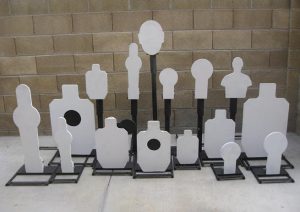
Why shooting target manufacturers prefer AR500 steel plate for durability and cost efficiency? Learn how target steel properties make it the standard choice.
View details
HelloPlease log in