 CJM Steel Group Ltd.

Steel C Channel Sizes Chart (C3–C15) – Dimensions & Weight per Foot
32536Complete AISC C channel sizes chart with dimensions, weight (kg/m), and mm conversions. Easy-to-use reference for engineers, fabricators, and steel buyers.
Ver detallesBuscar en toda la estación
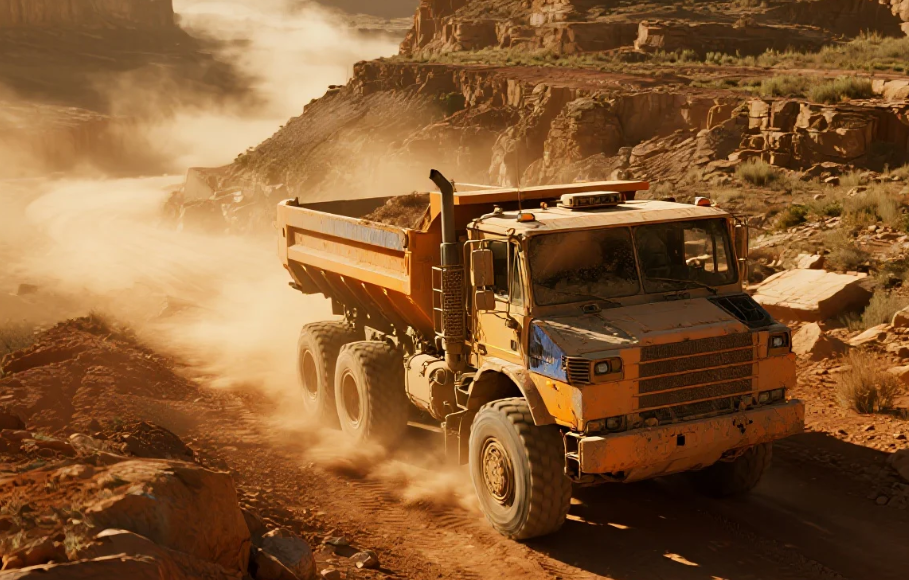
Al comparar AR500 vs AR550 steel y AR500 vs AR600 steel, the differences mainly come down to hardness, wear resistance, fabrication difficulty, and cost. Each abrasion resistant grade is designed for a different balance between durability and workability, making material selection highly dependent on your application.
The quick comparison below highlights the key differences between AR500, AR550, and AR600 steel, helping buyers evaluate which grade best fits their project requirements.
| Grado | Hardness (BHN) | Dureza | Trabajabilidad | Cost Level |
| AR500 | 470-540 | Alta | Bien | $$ |
| AR550 | 525-560 | Medio | Feria | $$$ |
| AR600 | 570-625 | Baja | Difícil | $$$$ |
Abrasion resistant steel is a high-carbon alloy steel designed to withstand wear and surface damage.
Its hardness is measured using the Número de dureza Brinell (BHN).
👉 This is the core trade-off when comparing AR500 vs AR550 vs AR600 steel.
Conclusion: AR550 lasts longer in abrasive environments.
Conclusion:
AR500 is better for fabrication-heavy applications, while AR550 is better for wear life.
Conclusion: AR600 provides maximum abrasion resistance.
Conclusion:
AR500 is better for most industrial uses, while AR600 is only suitable for extreme wear conditions.
Conclusion:
AR550 is often the better choice unless your application involves continuous extreme abrasion with minimal impact.
This is the most common question buyers ask.
Final decision rule:
Choosing the right grade depends heavily on the working environment, impact level, and expected service life. Below are typical applications for each grade.

When comparing AR500 vs AR550 vs AR600 steel price, material cost generally increases with hardness level and processing difficulty.
For large-scale projects, selecting AR500 instead of higher grades can significantly reduce procurement cost while still meeting performance requirements.
| Grado | Cutting | Welding | Machining |
| AR500 | Easy | Possible | Bien |
| AR550 | Moderado | Limitado | Feria |
| AR600 | Difícil | Not recommended | Poor |
As hardness increases, fabrication difficulty rises significantly.
AR550 steel is harder and offers better wear resistance, while AR500 steel provides better impact resistance and is easier to machine and weld. The choice depends on whether durability or workability is more important.
AR500 ranges from 470–540 BHN, while AR600 reaches 570–625 BHN.
AR500 is better for most applications due to its balance, while AR600 is only suitable for extreme abrasion.
AR600 has higher hardness and requires stricter heat treatment and processing, which increases production cost and limits availability.
Al comparar AR500 vs AR550 vs AR600 steel, there is no one-size-fits-all answer.
If your application involves continuous abrasion with limited impact, upgrading to AR550 or AR600 can improve service life. However, higher hardness also increases processing difficulty and overall cost.
Si busca chapas de acero resistentes a la abrasión para su proyecto, no deje de consultar nuestro Colección de placas de acero resistentes a la abrasión Página para especificaciones detalladas y disponibilidad o Contacto para el precio y la disponibilidad de la chapa de acero AR500/AR550/AR600.
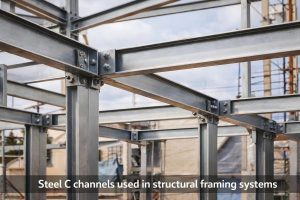
Complete AISC C channel sizes chart with dimensions, weight (kg/m), and mm conversions. Easy-to-use reference for engineers, fabricators, and steel buyers.
Ver detalles
Descubra las mejores placas de acero NM400, NM450 y NM500 resistentes al desgaste para equipos de minería y canteras. Mejore la durabilidad y reduzca el tiempo de inactividad con CJM Steel.
Ver detalles
Steel plate procurement checklist covering specifications, quality checks, supplier evaluation, costs, and delivery risks to avoid purchasing problems.
Ver detalles
Descubra qué calidades de chapa de acero se adaptan mejor a la construcción naval y de petróleo y gas en alta mar. Compare EH36, AH36, API 2H y S420G2 en cuanto a resistencia a la corrosión, solidez y certificación.
Ver detalles
HolaConéctese