 CJM Steel Group Ltd.

Guía técnica del acero 4140: Propiedades, composición y equivalentes
12772Detailed 4140 steel technical data including chemical composition, mechanical properties, equivalent grades, machining, and welding considerations.
Ver detallesBuscar en toda la estación
Roofing sheets are widely used in residential, commercial, and industrial buildings due to their durability, corrosion resistance, and cost efficiency. However, with multiple tipos de cubiertas available—such as galvanized steel (GI), color coated sheets (PPGI/PPGL), corrugated panels, and galvalume—choosing the right roofing sheet can be confusing.
This guide provides a practical comparison of roofing sheet types, helping you understand their differences and select the most suitable option for your project.
| Tipo | Revestimiento | Lifespan | Mejor uso |
| GI | Zinc | 5–15 yrs | Low-cost projects |
| PPGI | Paint + Zinc | 10–20 yrs | Residential |
| Galvalume | Al-Zn | 20+ yrs | Coastal |
| Corrugated | Profile-based | 5–20 yrs | Light structures |
The most widely used roofing sheet types in global construction projects include:
Each type differs in coating, thickness, lifespan, and application scenarios, which directly affects long-term performance and project cost.
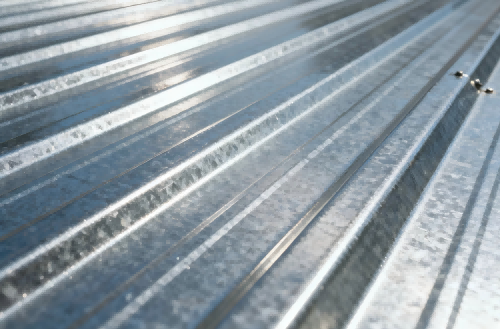
Galvanized (Gi) roofing sheets are produced by coating carbon steel with a layer of zinc to protect against corrosion. Different types of galvanized roofing son classified by zinc coating weight, thickness range, and steel substrate.
Typical applications: warehouses, factories, rural housing, temporary structures, and cost-sensitive projects.
Ventajas:
The table below outlines the most common types of GI roofing sheets used for roofing applications, from light zinc coating to heavy-duty galvanized roofing.
| Galvanized Roofing Type | Low Zinc Coating | Medium Zinc Coating | High Zinc Coating |
| Recubrimiento de zinc | Z40-Z80 | Z100-Z180 | Z275 |
| Gama de espesores | 0,18-0,35 mm | 0.25–0.50 mm | 0.40–0.70 mm |
| Steel Substrate | DX51D / Q195 | DX51D / Q235 | Q235 / SGC340 |
| Spangle Type | Regular Spangle | Ángulo cero | Ángulo cero |
| Typical Service Life* | 5-8 años | 10-15 años | Más de 20 años |
*Service life depends on environmental conditions, roof slope, and maintenance.
For buyers comparing its specifications for procurement, detailed product parameters are available on our galvanized steel roofing sheet product page.
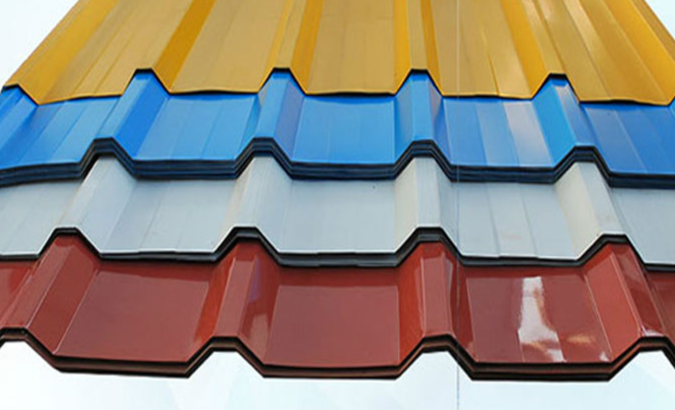
Color coated roofing sheets use galvanized (GI) or galvalume (GL) substrates with a protective paint layer (PE, SMP, or PVDF) applied for enhanced durability and appearance. Different types of coated steel sheets son classified by substrate, coating type, and thickness range. These sheets are widely selected when visual appearance and longer coating life are required.
Typical applications: residential homes, schools, commercial buildings, offices, and urban construction.
Ventajas:
| Especificación | Economía | Estándar | Premium |
| Sustrato | GI, Z100-Z180 | GI, Z180-Z275 | GL, AZ150-AZ185 |
| Tipo de revestimiento | PE | SMP | PVDF |
| Gama de espesores | 0,18-0,35 mm | 0.25–0.50 mm | 0.30–0.60 mm |
| Typical Coating Life* | 8-12 años | 12-18 años | Más de 20 años |
*Service life depends on environmental conditions, roof slope, and maintenance.
Buyers evaluating coated steel sheet options for roofing applications can refer to our PPGI and PPGL Sheets / Coils Product Page for full paint system details.
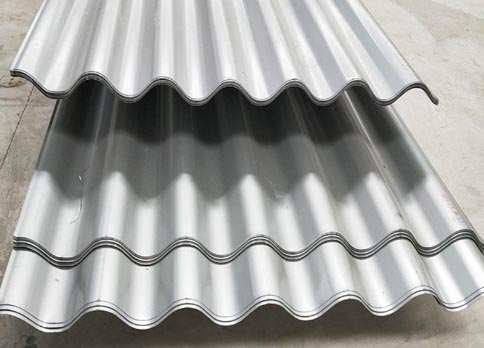
Corrugated roofing sheets refer to steel sheets formed into wave or trapezoidal profiles. This profile design improves structural strength and water drainage. Different types of corrugated metal panels are classified by profile type, zinc coating, and steel substrate.
Typical applications: farmhouses, sheds, garages, workshops, and light industrial buildings.
Ventajas:
The table below outlines the most common types of corrugated roofing sheets, from light-duty to heavy-duty panels, suitable for various roofing applications.
| Corrugated Roofing Type | Light Duty | Medium Duty | Heavy Duty |
| Profile Type | Wave | Onda / Trapezoidal | Trapezoidal / Custom |
| Recubrimiento de zinc | Z40-Z80 | Z100-Z180 | Z180–Z275 |
| Gama de espesores | 0,18-0,35 mm | 0.25–0.50 mm | 0.40–0.70 mm |
| Steel Substrate | DX51D / Q195 | DX51D / Q235 | Q235 / SGC340 |
| Spangle Type | Regular Spangle | Ángulo cero | Ángulo cero |
| Typical Service Life* | 5-10 años | 10-15 años | 15-20+ años |
*Service life depends on environmental conditions, roof slope, and maintenance.
Galvalume roofing sheets use an aluminum-zinc alloy coating (typically AZ150–AZ185), offering superior corrosion resistance compared to traditional galvanized steel.
Typical applications: Coastal regions, high-humidity areas, industrial zones with aggressive environments.
Ventajas clave:
Galvalume sheets are often selected when lifecycle cost is prioritized over initial material cost.
Tile profile roofing sheets combine the strength of steel with a tile-like appearance. They are usually produced from color coated steel and are popular in residential housing projects.
Typical applications: Villas, townhouses, residential estates.
Key advantages
Al comparar types of steel roofing sheets, consider the following factors:
For cost-driven projects, galvanized or basic corrugated sheets are often sufficient. For residential or long-term projects, color coated or galvalume roofing sheets may provide better overall value.
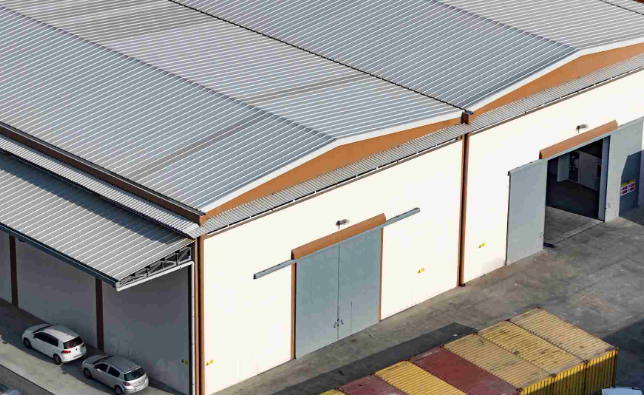
Las distintas regiones muestran claras preferencias por las chapas de acero para tejados:
Understanding the different roofing sheet types helps builders, contractors, and buyers select the most suitable material for their projects. By comparing galvanized, color coated, corrugated, galvalume, and tile profile steel roofing sheets, it becomes easier to balance performance, lifespan, and cost.
Póngase en contacto con nosotros for technical datasheets, customized specifications, and export support.
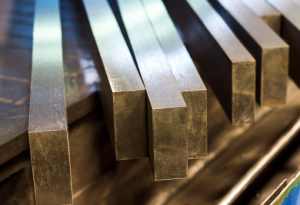
Detailed 4140 steel technical data including chemical composition, mechanical properties, equivalent grades, machining, and welding considerations.
Ver detalles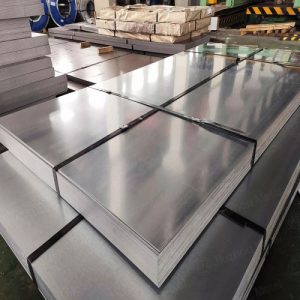
El acero aleado es un material duradero y de alto rendimiento que se fabrica añadiendo elementos como cromo, níquel y molibdeno.
Ver detalles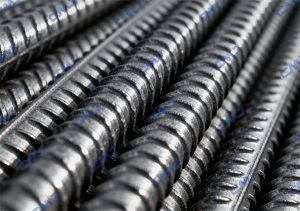
ASTM A615 rebar specification covering Grade 40, 60 and 75 grades, strength requirements, mechanical properties and chemical composition.
Ver detalles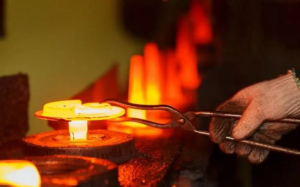
Explore las propiedades y aplicaciones del acero para herramientas 4Cr3Mo3SiV. Encuentre placas de acero GB 4Cr3Mo3SiV, proveedores y fabricantes de matrices para trabajo en caliente y en frío.
Ver detalles
HolaConéctese