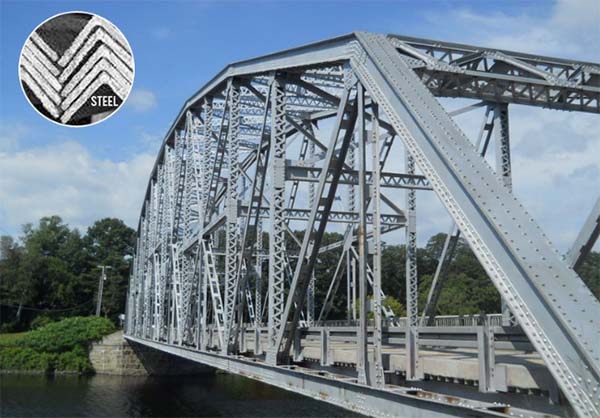
Structural steel is one of the most widely used construction materials worldwide. From bridges and buildings to industrial frames and heavy equipment, its strength, reliability, and availability make it a core material in structural engineering.
For buyers, contractors, and project engineers, understanding structural steel material, its grades, properties, and governing standards is essential for proper material selection, cost control, and project compliance.
Structural steel refers to steel products specifically designed for load-bearing and structural applications. These steels are engineered to provide predictable mechanical performance, good weldability, and sufficient toughness for buildings, bridges, offshore structures, and heavy industrial frameworks.
Compared with general carbon steel, structural steel material is controlled more strictly in terms of:
Minimum yield strength
Tensile strength range
Impact toughness (for some grades)
Chemical composition limits
Dimensional tolerances
Structural steel is supplied in forms such as:
Plates and sheets
Vigas y pilares
H-sections and I-beams
Angles and channels
Pipes and hollow sections
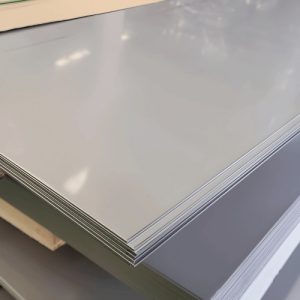
Structural steel plates used in construction frameworks and machinery structures
Common Structural Steel Grades (Global Overview)
Different countries define structural steel under their own standard systems. Below are widely used structural steel grades and their typical applications:
1) ASTM Structural Steel (United States)
En ASTM structural steel system is widely adopted in international projects and exports.
ASTM A36 – General structural plate and sections
ASTM A572 Grado 50 – High-strength low-alloy steel for bridges and buildings
ASTM A992 – Structural shapes for building frames
ASTM A588 – Weathering steel for exposed structures
These are collectively referred to as ASTM structural steel grades in procurement documents.
The performance of any structural steel material is defined mainly by three categories of properties:
1) Structural Steel Mechanical Properties
The most important mechanical values specified in standards are:
Structural steel yield strength The minimum stress at which steel begins to plastically deform. This determines the load-bearing capacity of the structure.
Structural steel tensile strength The maximum stress the steel can withstand before fracture.
Alargamiento Indicates ductility and deformation capacity.
Typical ranges for common structural steel:
Grado
Límite elástico (MPa)
Resistencia a la tracción (MPa)
ASTM A36
≥ 250
400-550
ASTM A572 Gr.50
≥ 345
450-620
S355JR
≥ 355
470-630
Q355B
≥ 355
470-630
Actual values depend on thickness, production process, and applicable standard.
2) Structural Steel Chemical Composition
Structural steel chemical composition directly affects strength, weldability, and toughness.
Key alloying elements include:
Carbon (C) – Strength and hardness
Manganese (Mn) – Strength and toughness
Silicon (Si) – Deoxidation and strength
Phosphorus (P) and Sulfur (S) – Controlled to low levels for quality
Below is a comparison of typical chemical composition limits for commonly used structural steel plate grades:
Grado
C (%)
Mn (%)
Si (%)
P (%)
S (%)
ASTM A36
≤ 0.25–0.29
≤ 1.20
≤ 0.40
≤ 0.04
≤ 0.05
ASTM A572 Gr.50
≤ 0.23
≤ 1.35
≤ 0.40
≤ 0.04
≤ 0.05
EN S355JR
≤ 0.24
≤ 1.60
≤ 0.55
≤ 0.035
≤ 0.035
Q355B
≤ 0.24
≤ 1.60
≤ 0.55
≤ 0.035
≤ 0.035
Notas:
Actual composition limits vary by thickness range, production process, and standard edition.
Microalloying elements such as Nb, V, and Ti may be present in some high-strength structural steels.
For welding-critical applications, carbon equivalent (CE) should also be considered.
3) Physical Properties
While not usually decisive for grade selection, physical properties include:
Density: ~7.85 g/cm³
Thermal expansion coefficient
Thermal conductivity
These values are relatively consistent across carbon structural steels.
For an overview of commonly supplied structural steel plate grades and standard size ranges used in international projects, you may refer to our structural steel product overview.
ASTM Structural Steel Standards Overview
ASTM defines a comprehensive system for astm structural steel products.
Entre las normas clave figuran:
ASTM A36 – Carbon structural steel
ASTM A572 – HSLA structural steel
ASTM A992 – Structural shapes
ASTM A588 – Weathering steel
ASTM A709 – Bridge steel
Each standard specifies:
Chemical composition limits
Mechanical property requirements
Dimensional tolerances
Testing and certification rules
When sourcing internationally, it is important to confirm:
Standard version (year)
Product form (plate, section, pipe)
Thickness-dependent requirements
Supplementary testing (if required)
Detailed specifications for commonly used ASTM structural steel grades como A36 y A572 Grado 50 can be found in grade-specific technical pages.
Structural steel is a standardized load-bearing steel material designed for predictable performance.
Structural steel grades vary by national standard but share similar mechanical principles.
Structural steel material properties are defined mainly by yield strength, tensile strength, and chemical composition.
Structural steel plate grades such as ASTM A36, ASTM A572 Grade 50, S355JR, and Q355B are widely used in global projects.
Comprender astm structural steel standards is essential for international sourcing and compliance.
Si compara structural steel plate grades, checking equivalents, or selecting the right grade for your project, contacte con nuestro equipo para una consulta y opciones de abastecimiento.
Calcule en línea el peso de las bobinas de acero. Admite bobinas laminadas en caliente y en frío, galvanizadas, inoxidables y de aluminio. Introduzca el diámetro exterior, el diámetro interior y la anchura para obtener un resultado rápido.
Explore MnCrWv tool steel along with Cr12, Cr12MoV (D2), 9CrSi, GCr15 and T10A for stamping and die manufacturing. Covers performance, application and sourcing.
¿Por qué los fabricantes de blancos de tiro prefieren la chapa de acero AR500 por su durabilidad y rentabilidad? Descubra cómo las propiedades del acero para blancos lo convierten en la elección estándar.
La chapa de aleación de monel es un material de alto rendimiento fabricado a partir de una combinación de níquel y cobre, que ofrece una extraordinaria resistencia a la corrosión y una gran solidez.
 CJM Steel Group Ltd.



HolaConéctese