 CJM Steel Group Ltd.

Qué es la chapa de acero al carbono
2064La chapa de acero al carbono es un material duradero y versátil que se utiliza en la construcción, la fabricación y las aplicaciones industriales como soporte estructural.
Ver detallesBuscar en toda la estación
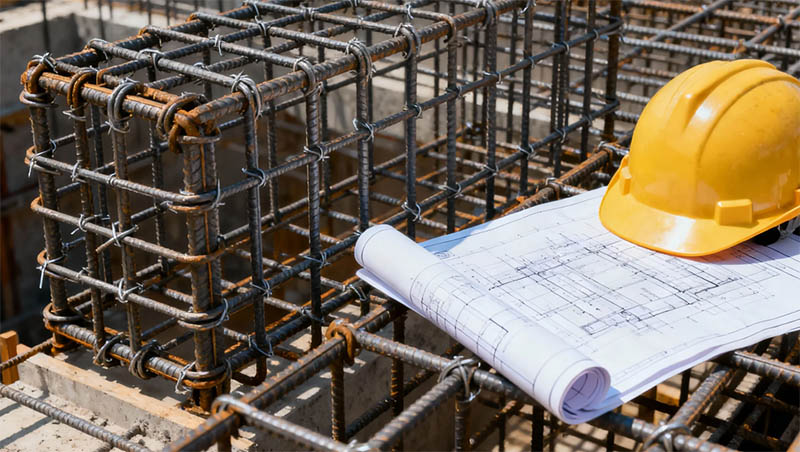
Rebar applications in concrete construction vary depending on structural function, load conditions, and environmental exposure. From columns and foundations to driveways, slabs, and countertops, selecting the right reinforcing bar type, grade, and spacing is essential for long-term durability and structural performance.
This guide focuses on common rebar uses in concrete construction and how to choose the appropriate grade for each application. While widely used standards such as ASTM specifications define material properties, practical selection is typically driven by application requirements in real projects.
For buyers sourcing reinforcing materials for different construction uses, exploring available rebar types, sizes, and grades is an important step in project planning. View our full range of reinforcing steel products to compare specifications and supply options.
Rebar applications in concrete columns focus on improving load-bearing capacity and structural stability. In column applications, rebar is used to improve compressive strength, control cracking, and enhance ductility under combined stress conditions.
For most structural column rebar applications, Barra de refuerzo de grado 60 provides a reliable balance between strength and workability. In high-rise or heavy-load structures, higher strength grades may be required depending on design specifications.
Consejos de adquisición y selección:
Rebar in concrete walls is essential for crack control and resistance to lateral forces such as soil pressure and wind loads. Reinforced blockwork (CMU) typically includes both vertical and horizontal reinforcement.
Typical rebar applications in walls and block structures incluyen:
Consejos de adquisición y selección:
Foundation rebar applications are critical for transferring structural loads safely to the ground and resisting soil movement. Reinforcement improves tensile strength and prevents structural failure caused by uneven settlement.
Common rebar uses in foundations incluyen:
Consejos de adquisición y selección:
Concrete stair reinforcement is designed to handle dynamic loads, thermal expansion, and long-term wear. Rebar placement ensures structural continuity and prevents cracking in both residential and commercial stair systems.
Selection Tips:
Driveways and patios are among the most common rebar applications in residential concrete construction, where reinforcement improves load-bearing capacity and surface durability.
Driveway rebar must withstand vehicle loads, while patio reinforcement focuses on minimizing cracking and surface deformation.
Selection Tips:
Concrete beams are subjected to bending and shear forces, making reinforcement design critical for structural performance. Beam rebar applications require careful consideration of load distribution and anchorage.
Selection Tips:
Note: For projects requiring weldable reinforcement, alternative specifications may be considered depending on fabrication needs.
Concrete countertops represent a smaller-scale but increasingly popular decorative rebar application. Reinforcement helps prevent cracking and improves stiffness, especially in thin or custom-shaped slabs.
Selection Tips:
Selecting the correct rebar grade is one of the most important decisions in concrete construction. Different applications require different strength levels, flexibility, and durability.
In addition to grade selection, engineers and buyers should also consider:
In practical procurement, choosing the right grade for the specific application is often more important than focusing on a single standard.
La siguiente tabla resume las selecciones típicas de grado basadas en los requisitos estructurales comunes.
| Aplicación | Grado recomendado | Notas |
| Columnas | Grado 60 | El mejor equilibrio entre resistencia y ductilidad |
| Muros / Bloques | Grado 40-60 | Depende de la carga y la altura del muro |
| Fundaciones | Grado 60-75 | Para cargas pesadas o suelos irregulares |
| Escaleras | Grado 40-60 | Según tamaño y función |
| Calzadas / Patios | Grado 60 | Requiere protección contra la corrosión |
| Vigas | Grado 60-75 | Alto rendimiento para grandes luces |
| Encimeras | Grado 40 | Para estructuras decorativas o pequeñas |
*La especificación final debe ser confirmada siempre por un ingeniero estructural cualificado.
When sourcing reinforcing steel for different construction applications, consistency in quality, grade selection, and supply reliability is essential for project success.
For detailed technical specifications, including chemical composition and mechanical properties under ASTM standards, refer to our ASTM A615 rebar standard guide.
👉 Póngase en contacto con nosotros para obtener presupuestos, disponibilidad de existencias y opciones de tamaño.
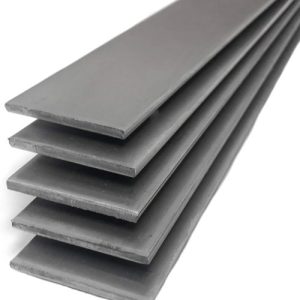
La chapa de acero al carbono es un material duradero y versátil que se utiliza en la construcción, la fabricación y las aplicaciones industriales como soporte estructural.
Ver detalles
Learn about steel round bar grades, including carbon, alloy, tool and bearing steels. Compare standards and choose the right grade for your application.
Ver detalles
Descubra qué calidades de chapa de acero se adaptan mejor a la construcción naval y de petróleo y gas en alta mar. Compare EH36, AH36, API 2H y S420G2 en cuanto a resistencia a la corrosión, solidez y certificación.
Ver detalles
Explore las bobinas de Incoloy 800, 800H y 800HT en detalle: composición química, propiedades mecánicas y aplicaciones industriales. Le ayudamos a elegir sabiamente.
Ver detalles
HolaConéctese