High Strength Low Alloy (HSLA) steel grades are widely used in construction, infrastructure, and heavy equipment manufacturing due to their superior strength-to-weight ratio and improved durability.
Compared with conventional materials, hsla steel grades offer better mechanical performance, enhanced corrosion resistance, and more efficient structural design. This guide explains hsla steel grades, key properties, and practical applications, while also introducing how hsla steel plate is used in real-world projects.
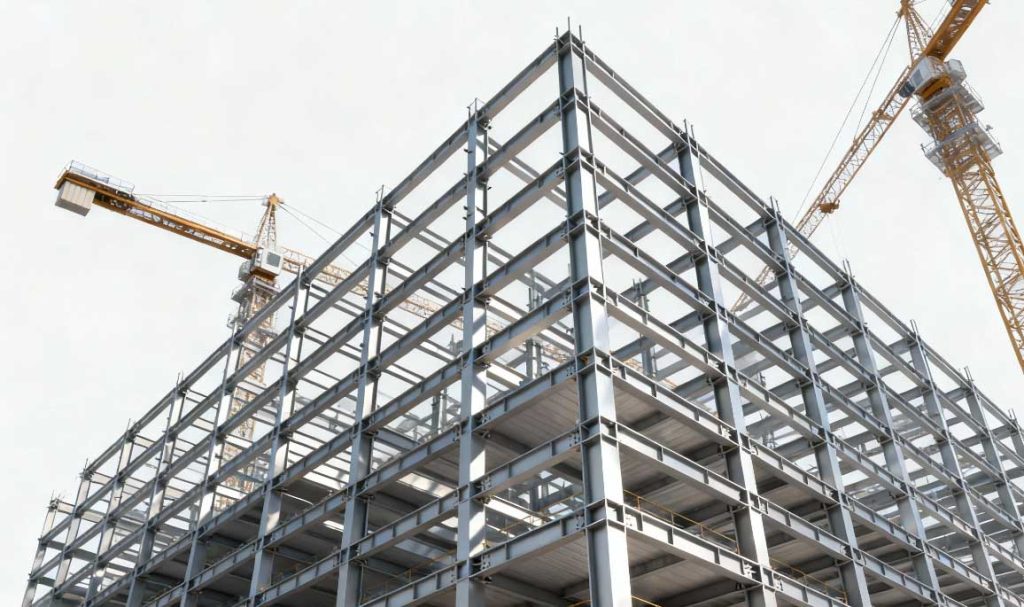
HSLA steel structural sections used in modern high rise building construction
What Is HSLA Steel?
HSLA steel (High Strength Low Alloy steel) refers to a group of low carbon steels that contain small amounts of alloying elements such as manganese, niobium, vanadium, and titanium.
In most cases, hsla steel grades include small amounts of alloying elements such as niobium, vanadium, and titanium, which significantly improve strength and toughness. Because of these enhancements, hsla steel is widely used in structural and industrial applications.
HSLA Steel Grades Chart (ASTM & EN Standards)
Comprender hsla steel grades is essential when selecting materials for structural and industrial use. Different standards define grades based on yield strength, toughness, and application.
Common HSLA Steel Grades
Estándar
Grado
Límite elástico (MPa)
Aplicaciones típicas
ASTM
A572 Gr.42
290
General structural components
ASTM
A572 Gr.50
345
Bridges, buildings
ASTM
A572 Gr.60
415
Estructuras pesadas
ASTM
A572 Gr.65
450
High-load applications
ASTM
A656 Gr.50–80
345–550
Truck frames, cranes
ES
S355
355
Acero estructural
ES
S420 / S460
420–460
High-performance structures
Estos hsla steel grades are widely used in bridges, buildings, and heavy equipment, where higher strength and reduced weight are required. Selecting the right high strength low alloy steel grades helps optimize both performance and cost.
HSLA Steel Properties and Composition
The performance of hsla steel grades comes from their optimized chemical composition and controlled rolling processes.
Key Properties of HSLA Steel
Higher yield strength than carbon steel
Improved toughness and impact resistance
Better weldability
Enhanced corrosion resistance (in some grades)
Typical Chemical Composition
HSLA steels typically include:
Low carbon content
Manganeso (Mn)
Niobium (Nb), Vanadium (V), Titanium (Ti)
These alloying elements refine grain structure and significantly improve hsla steel properties without increasing weight.
HSLA Steel Applications in Construction and Industry
Due to its strength and efficiency, hsla steel is widely used across multiple industries.
Construcción e infraestructuras: puentes, edificios, estructuras de gran altura
HSLA Steel Plate for Structural and Industrial Use
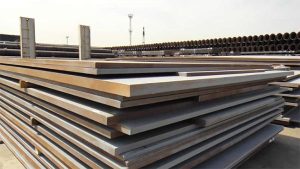
Among different product forms, hsla steel plate is one of the most widely used materials derived from hsla steel grades. It is commonly selected for structural and industrial applications that require high strength and durability.
Why Use HSLA Steel Plate
High strength reduces material thickness
Lower weight improves transportation efficiency
Excelente soldabilidad para la fabricación
Reliable performance under heavy loads
Typical Uses of HSLA Steel Plate
Bridge structures
Maquinaria industrial
Marcos de construcción
Offshore and energy equipment
Compared to standard carbon steel plate, high strength low alloy steel plate provides better performance with reduced overall cost in long-term projects.
HSLA Steel Plate Supplier and Available Grades
For buyers, selecting the right hsla steel grades and a reliable supplier is critical.
Commonly Supplied Grades
ASTM A572 (Gr.42 / 50 / 60 / 65)
ASTM A656 (Gr.50–80)
EN S355 / S420 / S460
Available Specifications
Thickness: 6 mm – 200 mm
Width: up to 3,000 mm
Length: customizable
Delivery: export packing with MTC certification
A professional hsla steel plate supplier should provide stable inventory, consistent quality, and support for international project requirements.
HSLA Grade 50 vs 60 vs 80: What’s the Difference
Diferentes hsla steel grades are designed for varying strength requirements.
Comparison Overview
Grado
Límite elástico
Aplicación
Gr.50
~345 MPa
General structures
Gr.60
~415 MPa
Heavy-duty applications
Gr.80
up to 550 MPa
High-stress environments
Higher grades such as hsla grade 80 offer superior strength but may require more advanced fabrication processes.
Understanding these differences helps engineers select the most cost-effective material.
HSLA Steel vs Carbon Steel: Key Differences
Propiedad
Acero HSLA
Acero al carbono
Límite elástico
350-700 MPa
250-400 MPa
Peso Eficiencia
Hasta 25% más ligero
Más pesado
Resistencia a la corrosión
Mejorado
Moderado
Soldabilidad
Excelente
Bien
Durabilidad general
Alta
Medio
El acero HSLA ayuda a reducir peso del acero por 20-25% sin comprometer la resistencia estructural, una razón clave por la que está sustituyendo al acero dulce tradicional en grandes proyectos de construcción.
Estos materiales complementan acero aleado ofreciendo a los compradores una solución integral para sus necesidades de metal estructural y de alto rendimiento.
FAQs About HSLA Steel
What HSLA steel grades are commonly used in construction? Common hsla steel grades used in construction include ASTM A572 Grade 50, A656, and EN S355. These grades provide the strength and durability required for structural applications such as bridges and buildings.
What are the properties of HSLA steel? The main hsla steel properties include high yield strength, improved toughness, and good weldability. These properties make hsla steel grades suitable for heavy-duty and structural applications.
What is HSLA steel plate used for? HSLA steel plate is widely used in bridges, heavy equipment, industrial machinery, and structural frameworks. It offers higher strength and reduced weight compared to standard carbon steel.
What is the difference between HSLA Grade 50 and Grade 80? The main difference between hsla steel grades such as Grade 50 and Grade 80 is their yield strength. Grade 80 provides significantly higher strength and is used in more demanding structural applications.
Why are HSLA structural steel beams widely used? HSLA structural steel beams are widely used because they provide high load-bearing capacity while reducing overall structural weight. This improves efficiency in construction and large-scale projects.
Descubra cómo los exportadores de acero pueden hacer frente a las políticas mundiales de exportación sostenible de acero. Infórmese sobre el acero ecológico, la producción de acero EAF y la normativa CBAM de la UE.
 CJM Steel Group Ltd.




HolaConéctese