Choosing the right steel for appliance manufacturing directly affects surface quality, forming efficiency, cost control, and long-term product performance. Among all flat-rolled steel products, cold rolled steel and hot rolled steel are the two most commonly compared options for home appliances.
This guide focuses specifically on cold rolled vs hot rolled steel for appliances, explaining how each material performs in appliance manufacturing and which is more suitable for different appliance components.
Cold Rolled Steel for Appliances: Process and Key Characteristics
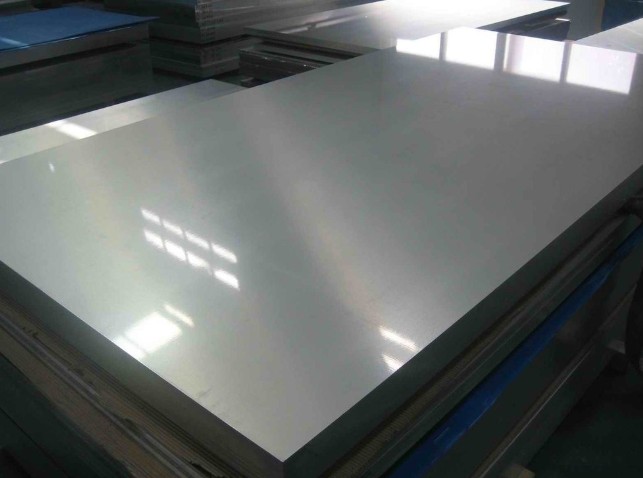
superficie de acero laminado en frío
Cold rolled steel is produced by further processing hot rolled steel at room temperature. After hot rolling, the steel is pickled (to remove scale), then rolled in a cold reduction mill, which compresses the steel into precise dimensions and improves its surface quality.
For appliance manufacturing, this material is commonly referred to as electrodomésticos acero laminado en frío.
Smooth and uniform surface, suitable for painting and coating
Tight dimensional tolerances across the coil
Higher yield strength due to cold work
Excellent formability after annealing
These properties make acero laminado en frío para electrodomésticos especially suitable for parts that require a clean appearance, accurate fit, and stable forming behavior during stamping or bending.
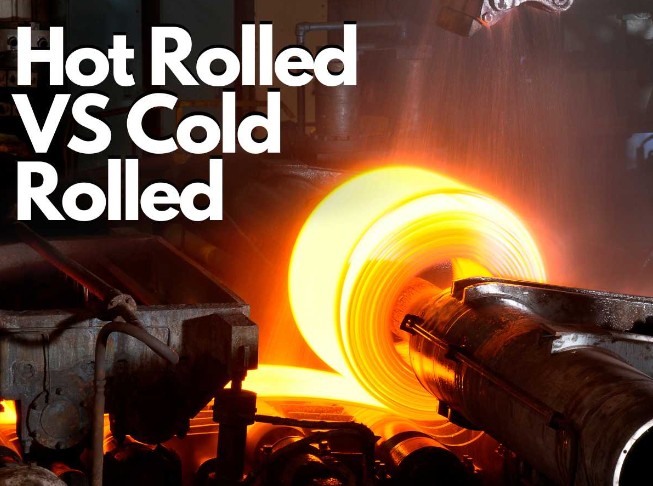
Hot rolled steel is produced at high temperatures, typically above the recrystallization point. This allows the steel to be rolled easily into thicker sections, but surface oxidation and dimensional variation occur during cooling.
In appliance manufacturing, acero laminado en caliente para electrodomésticos is generally limited to non-visible or structural components.
Typical characteristics include:
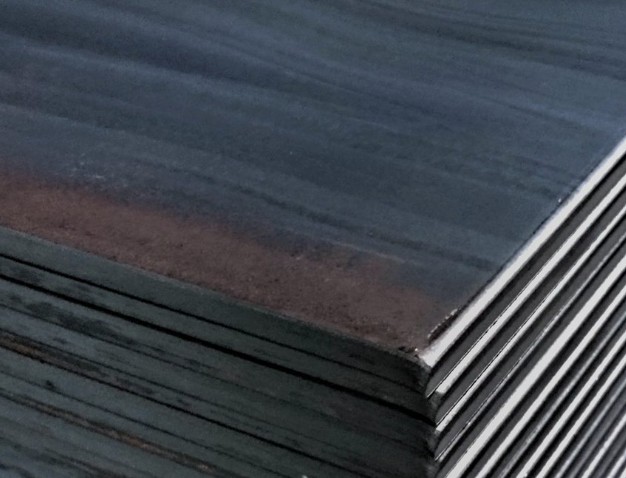
Rough, scaled surface
Wider thickness tolerances
Lower production cost
Better suitability for thicker sections
Because of the surface condition, hot rolled steel usually requires additional processing if appearance or coating quality is important. As a result, it is less commonly used for external appliance panels.
Cold Rolled vs Hot Rolled Steel in Appliance Manufacturing
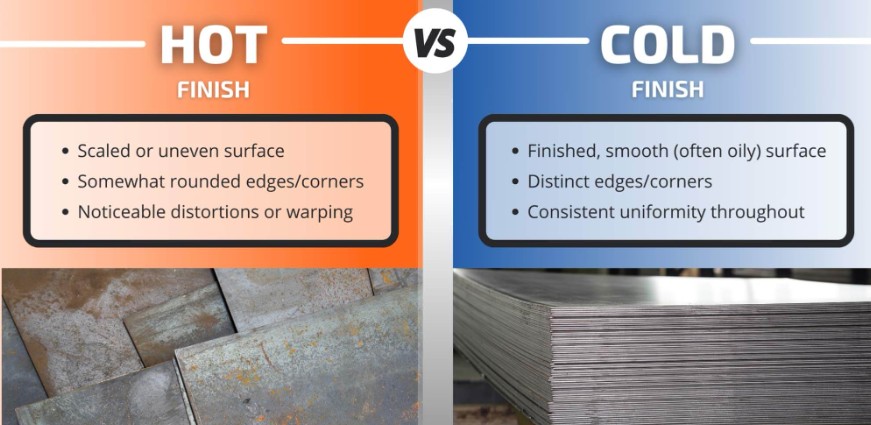
comparación entre muestras de acero laminado en frío y en caliente
The difference between hot rolled and cold rolled steel becomes especially important when applied to appliance production rather than general steel use.
Característica
Acero laminado en frío
Acero laminado en caliente
Temperatura de fabricación
Temperatura ambiente (después del laminado en caliente)
>1.700°F (laminado en caliente directamente de la palanquilla)
Acabado superficial
Liso, uniforme, mate o brillante
Superficie escamosa y rugosa
Precisión dimensional
Alta tolerancia
Menor tolerancia
Fuerza
Más alto (después del endurecimiento)
Baja
Formabilidad
Excelente (después del recocido)
Justo, mejor para doblar sin agrietarse
Aplicaciones
Electrodomésticos, muebles, componentes de automoción
Vigas de construcción, estructuras de soldadura
Tolerancia de grosor
Control estricto, uniforme en toda la bobina
Variable a lo ancho de la hoja
Coste
Mayor debido a la transformación
Más bajo, menos procesamiento
From a manufacturing perspective, cold rolled steel offers better consistency and surface quality, while hot rolled steel is mainly selected for cost-sensitive internal parts.
Is Cold Rolled Steel Stronger Than Hot Rolled Steel for Appliances?
In most appliance applications, cold rolled steel is stronger than hot rolled steel. The increased strength comes from work hardening during the cold rolling process.
However, the actual strength difference depends on:
Calidad del acero
Proceso de recocido
Uso final (carga o encofrado)
For appliance components that require higher rigidity without increasing thickness—such as brackets, drawer supports, or reinforcement parts—cold rolled steel provides a clear advantage.
How Appliance Manufacturers Choose Between CRS and HRS
Instead of comparing steel types in general terms, appliance manufacturers typically select materials based on the function of each component.
Appliance Component
Recommended Steel
Razón
Refrigerator outer panels
Acero laminado en frío
Surface quality and coating performance
Washing machine housings
Acero laminado en frío
Formability and dimensional accuracy
Microwave oven frames
Acero laminado en frío
Precision and appearance
Internal support brackets
Acero laminado en caliente
Rentabilidad
Structural base plates
Acero laminado en caliente
Thickness and load support
This decision-based approach explains why cold rolled steel dominates visible appliance parts, while hot rolled steel is used selectively for internal structures.
Why Cold Rolled Steel Is Preferred in Appliance Production Lines
acero laminado en frío utilizado en electrodomésticos
Modern appliance manufacturing relies heavily on automated stamping, forming, welding, and coating processes. Cold rolled steel aligns well with these requirements because it offers:
Stable forming performance in high-speed presses
Clean surfaces for painting and pre-coated finishes
Consistent thickness for automated assembly
Reduced surface preparation before coating
For these reasons, electrodomésticos acero laminado en frío has become the standard material for most appliance OEMs.
Common Questions About Steel for Appliance Manufacturing
Abordemos algunas preguntas finales que los compradores suelen buscar:
Q1: What is the main difference between hot rolled and cold rolled steel?
A: The difference lies in processing temperature and resulting properties. Cold rolled steel offers better surface finish and tighter tolerances.
Q2: What is hot rolled steel used for in appliance manufacturing?
In the appliance industry, hot rolled steel is mainly used for internal or non-visible components, such as support frames, base plates, and welded structural parts where surface appearance is not critical.
Q3: What is cold rolled steel used for in appliances?
A: Cold rolled steel is widely used for appliance panels, housings, cabinets, and precision-formed parts. Its smooth surface and consistent thickness make it suitable for painting, coating, and automated forming processes.
Q4: What does “appliance cold rolled steel” mean?
A: “Appliance cold rolled steel” refers to cold rolled steel specifically used for home appliance production. It is valued for its clean surface quality, precise tolerances, and stable forming performance, which are essential for appliance exteriors and structural components.
Q5: Can hot rolled steel be used for appliances?
A: Yes. Hot rolled steel can be used in appliances, but it is generally limited to internal structures. For external panels or visible parts, cold rolled steel is usually preferred due to its superior surface finish.
Q6: Where can I see product options for cold-rolled steel used in appliances?
For appliance manufacturing, material selection depends on component function rather than a single “better” option.
Elija acero laminado en frío for panels, housings, and precision parts
Elija acero laminado en caliente for internal supports and structural elements
In most cases, cold rolled steel is the preferred material for appliances because it meets appearance, forming, and production efficiency requirements.
For specifications and supply options related to acero laminado en frío para electrodomésticos, you can refer to our appliance-grade cold rolled steel product range.
En busca de chapas de acero laminado en frío para la fabricación de electrodomésticos or need advice on the right build? Póngase en contacto con nosotros today and our team will help you get the ideal solution.
Compare la hojalata y la chapa de acero esmaltado para envases, utensilios de cocina y aplicaciones industriales. Descubra los puntos fuertes de los materiales, sus limitaciones y los mejores escenarios de uso.
ASTM A36 vs SS400: ASTM A36 vs SS400: compare yield strength, standards and performance. Is SS400 equivalent to A36? Can it replace A36 in structural projects?
¿Por qué los fabricantes de blancos de tiro prefieren la chapa de acero AR500 por su durabilidad y rentabilidad? Descubra cómo las propiedades del acero para blancos lo convierten en la elección estándar.
Comprenda las diferencias técnicas y normativas entre las chapas de acero estructurales y para recipientes a presión. Compare grados, propiedades y aplicaciones en una sola guía.
 CJM Steel Group Ltd.


HolaConéctese