 CJM Steel Group Ltd.

Why Thick Steel Plates Cost More: 10mm vs 50mm vs 100mm (Total Cost Guide)
705Compare 10mm, 50mm and 100mm steel plate costs beyond material price. Learn cutting, welding and fabrication costs to avoid overpaying.
Ver detallesBuscar en toda la estación
ASTM A36 vs SS400 is one of the most common comparisons in global structural steel sourcing and engineering design. A common question in structural steel sourcing is: Is SS400 equivalent to ASTM A36, and can it replace A36 in engineering projects?
While ASTM A36 and JIS SS400 are both widely used mild structural steels, they are defined under different standards and do not behave identically in terms of certification, yield strength, and engineering reliability.
Esta guía ofrece una descripción detallada comparison of ASTM A36 vs SS400, focusing on:
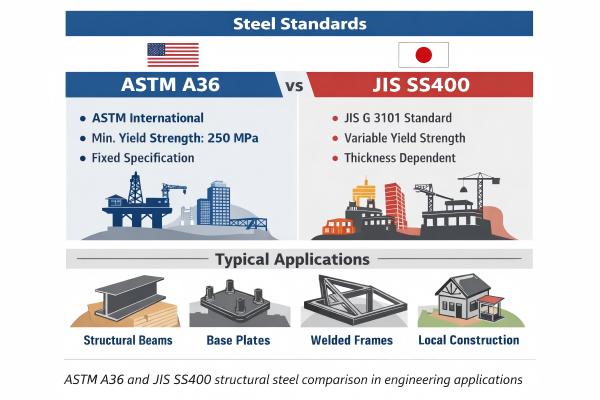
Short answer: No — SS400 is not officially equivalent to ASTM A36.
However:
Understanding the standard systems behind A36 vs SS400 is essential for accurate material selection.
| Propiedad | ASTM A36 | JIS SS400 |
|---|---|---|
| Estándar | ASTM International | JIS G 3101 |
| Límite elástico | ≥ 250 MPa (guaranteed) | Not specified |
| Resistencia a la tracción | 400-550 MPa | 400–510 MPa |
| Certificación | Strict ASTM MTC | Varies by mill |
| Consistency | Alta | Variable |
| Uso típico | International projects | Mercados asiáticos |
Key Insight:
The biggest difference is not chemistry — it’s whether yield strength is guaranteed.
For projects involving European standards, a detailed comparison can be found in our guide on ASTM A36 vs EN S235JR, which explains differences in strength, standard systems, and application scenarios.
Al comparar ASTM A36 vs SS400, yield strength is the most critical parameter.
La clave a36 vs ss400 difference is that ASTM A36 guarantees a minimum yield strength, while SS400 relies on typical production values.
Many buyers focus only on strength values, but the real difference lies in standard philosophy:
👉 This is why A36 vs SS400 is fundamentally a compliance issue, not just a strength comparison.
No.
There is no official ASTM equivalent designation.
SS400 is only:
SS400 may be used as a substitute si:
Avoid substitution when:
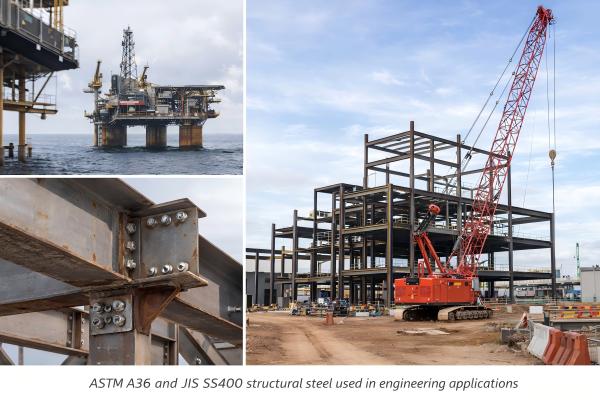
Both ASTM A36 and SS400 are widely used in:
From a usage perspective:
Both materials offer good weldability due to low carbon content, making them suitable for general structural fabrication.
The question of substitution is central to astm a36 vs ss400 discussions.
No — not in a strict engineering sense.
SS400 should be treated as:
You can refer to our comparison of ASTM A36 vs Q235B to understand equivalency considerations, performance differences, and potential project risks when substituting materials across standards.
En difference between A36 and SS400 is primarily defined by:
Final takeaway:
For any project, material selection should be based on certified data and engineering approval, not on nominal similarity.
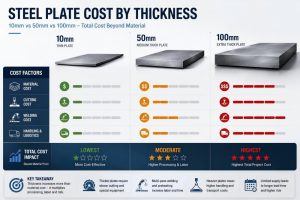
Compare 10mm, 50mm and 100mm steel plate costs beyond material price. Learn cutting, welding and fabrication costs to avoid overpaying.
Ver detalles
Compare A516, A537 and P355GH steel plates for oil & gas storage tanks. Learn pressure, temperature limits, and how to choose the right tank plate material.
Ver detalles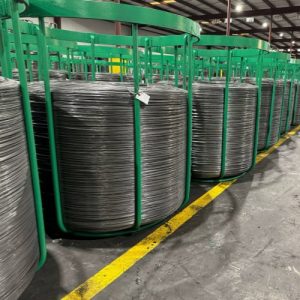
El alambre de acero al carbono es un material muy utilizado en diversas industrias por su resistencia, durabilidad y rentabilidad. Es común encontrarlo en aplicaciones que van desde la automoción a la construcción, ofreciendo un excelente equilibrio de rendimient...
Ver detalles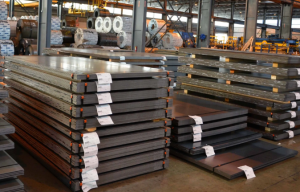
Guía completa sobre la chapa de acero ASTM A514: resistencia, dureza, soldadura, maquinabilidad, composición química y grados equivalentes para sus proyectos.
Ver detalles
HolaConéctese