Al comparar AR500 vs AR550 steel y AR500 vs AR600 steel, the differences mainly come down to hardness, wear resistance, fabrication difficulty, and cost. Each abrasion resistant grade is designed for a different balance between durability and workability, making material selection highly dependent on your application.
The quick comparison below highlights the key differences between AR500, AR550, and AR600 steel, helping buyers evaluate which grade best fits their project requirements.
AR500 vs AR550 vs AR600 Steel: Quick Comparison
Grado
Hardness (BHN)
Dureza
Trabajabilidad
Cost Level
AR500
470-540
Alta
Bien
$$
AR550
525-560
Medio
Feria
$$$
AR600
570-625
Baja
Difícil
$$$$
AR500 vs AR550: AR500 is better for impact and fabrication, AR550 offers longer wear life
AR550 vs AR600: AR600 is harder but significantly harder to process
AR500 vs AR600: AR500 is more versatile, AR600 is for extreme wear only
¿Qué es el acero resistente a la abrasión (AR)?
Abrasion resistant steel is a high-carbon alloy steel designed to withstand wear and surface damage.
Its hardness is measured using the Número de dureza Brinell (BHN).
Higher BHN = better wear resistance
Lower BHN = better toughness and machinability
👉 This is the core trade-off when comparing AR500 vs AR550 vs AR600 steel.
AR500 vs AR550 Steel: What’s the Difference?
1. Hardness & Wear Resistance
AR500: 470–540 BHN
AR550: 525–560 BHN
Conclusion: AR550 lasts longer in abrasive environments.
2. Toughness & Fabrication
AR500: better impact resistance and easier cutting/welding
AR550: reduced ductility and harder to process
Conclusion: AR500 is better for fabrication-heavy applications, while AR550 is better for wear life.
AR500 vs AR600 Steel: Which Is Better?
1. Hardness Comparison
AR500: up to ~540 BHN
AR600: up to ~625 BHN
Conclusion: AR600 provides maximum abrasion resistance.
2. Practical Use Difference
AR500: widely used, easier to machine
AR600: extremely difficult to cut and weld
Conclusion: AR500 is better for most industrial uses, while AR600 is only suitable for extreme wear conditions.
AR550 vs AR600 Steel: Is Higher Hardness Worth It?
AR550: balanced wear + usability
AR600: maximum hardness but low workability
Conclusion: AR550 is often the better choice unless your application involves continuous extreme abrasion with minimal impact.
Which Is Better: AR500, AR550, or AR600?
This is the most common question buyers ask.
✅ Choose AR500 if:
Necesitas resistencia al impacto
Necesitas cutting, drilling, or welding
You want cost-effective performance
✅ Choose AR550 if:
Necesitas longer wear life than AR500
You can accept reduced machinability
✅ Choose AR600 if:
You face extreme abrasion conditions
Fabrication is minimal or not required
Budget is not the primary concern
Final decision rule:
General use → AR500
Higher wear → AR550
Extreme wear → AR600
Aplicaciones de AR500 vs AR550 vs AR600
Choosing the right grade depends heavily on the working environment, impact level, and expected service life. Below are typical applications for each grade.
Piezas estructurales que requieren una mayor vida útil
3. Aplicaciones AR600
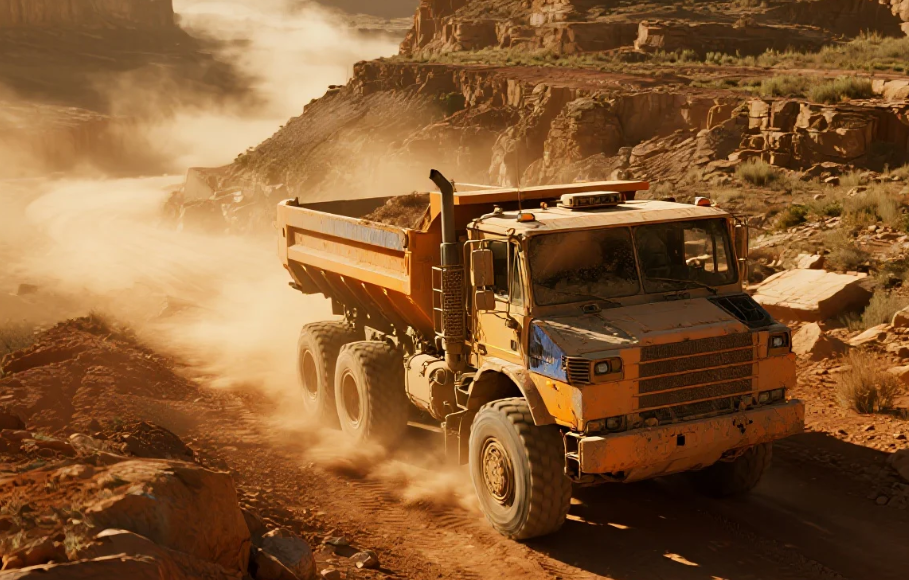
Tolvas y tolvas de minería
Trituradoras industriales
Revestimientos de alto desgaste para las industrias del cemento y los áridos
Blindaje militar y de seguridad donde se requiere la máxima protección
Price Comparison: AR500 vs AR550 vs AR600
When comparing AR500 vs AR550 vs AR600 steel price, material cost generally increases with hardness level and processing difficulty.
AR500: Most cost-efficient option for general applications
AR550: Typically 10–20% higher than AR500
AR600: Often 20–40% higher due to hardness and limited supply
For large-scale projects, selecting AR500 instead of higher grades can significantly reduce procurement cost while still meeting performance requirements.
Machining and Fabrication Differences
Grado
Cutting
Welding
Machining
AR500
Easy
Possible
Bien
AR550
Moderado
Limitado
Feria
AR600
Difícil
Not recommended
Poor
As hardness increases, fabrication difficulty rises significantly.
Preguntas más frecuentes (FAQ)
Q1: What is the difference between AR500 and AR550 steel?
AR550 steel is harder and offers better wear resistance, while AR500 steel provides better impact resistance and is easier to machine and weld. The choice depends on whether durability or workability is more important.
Q2: What is the hardness of AR500 vs AR600 steel?
AR500 ranges from 470–540 BHN, while AR600 reaches 570–625 BHN.
Q3: Which is better, AR500 or AR600?
AR500 is better for most applications due to its balance, while AR600 is only suitable for extreme abrasion.
Q4: Why is AR600 steel more expensive?
AR600 has higher hardness and requires stricter heat treatment and processing, which increases production cost and limits availability.
Conclusión
Al comparar AR500 vs AR550 vs AR600 steel, there is no one-size-fits-all answer.
If your application involves continuous abrasion with limited impact, upgrading to AR550 or AR600 can improve service life. However, higher hardness also increases processing difficulty and overall cost.
Si busca chapas de acero resistentes a la abrasión para su proyecto, no deje de consultar nuestro Colección de placas de acero resistentes a la abrasión Página para especificaciones detalladas y disponibilidad o Contacto para el precio y la disponibilidad de la chapa de acero AR500/AR550/AR600.
Calcule en línea el peso de las bobinas de acero. Admite bobinas laminadas en caliente y en frío, galvanizadas, inoxidables y de aluminio. Introduzca el diámetro exterior, el diámetro interior y la anchura para obtener un resultado rápido.
Compare ASTM A514 grades B, E, H, and Q. Learn key differences in strength, thickness, and applications to select the right A514 steel grade for your project.
 CJM Steel Group Ltd.

HolaConéctese