 CJM Steel Group Ltd.

Chapas de acero galvanizado: Guía de selección profesional
8885Explore galvanized steel properties including yield strength, tensile strength, hardness, coating specs, and grades for construction and industrial use.
Ver detallesBuscar en toda la estación
ASTM A514 grades are widely used in high-strength structural applications where weight reduction and load-bearing performance are critical. Understanding the differences between A514 Grados B, E, H y Q is essential for selecting the right material for bridges, heavy equipment, and structural frameworks.
This guide provides a clear Comparación del grado A514, focusing on strength, thickness range, toughness, and real-world selection considerations for engineers, fabricators, and steel buyers.
The most commonly used Calidades de acero A514 are B, E, H, and Q. While they share similar production processes, their differences in strength levels, thickness capability, and toughness determine their suitability for specific applications.
| Propiedad | Grado B | Grado E | Grado H | Grado Q |
| Límite elástico (MPa) | 620-690 | 650-690 | 690 | 690 |
| Espesor típico (mm) | 6-50 | 10-60 | 12-65 | 6-80 |
| Dureza | Estándar | Alta | Alta | Alta |
| Aplicaciones comunes | Estructuras estándar | Maquinaria para regiones frías | Puentes, grúas | Estructuras pesadas en general |
Nota: Existen otras calificaciones como F, P y S, pero se utilizan con menos frecuencia. Grado A ha ido desapareciendo en favor de B o Q en los proyectos modernos.
For more details on A514 steel properties, welding practices, and equivalent grades, refer to our guide on A514 steel properties and equivalent materials.
Al comparar ASTM A514 grades, the main differences come down to strength consistency, thickness range, and impact performance.
For projects requiring a balance between performance and availability, A514 Grade Q steel is often the default choice among all A514 grades.
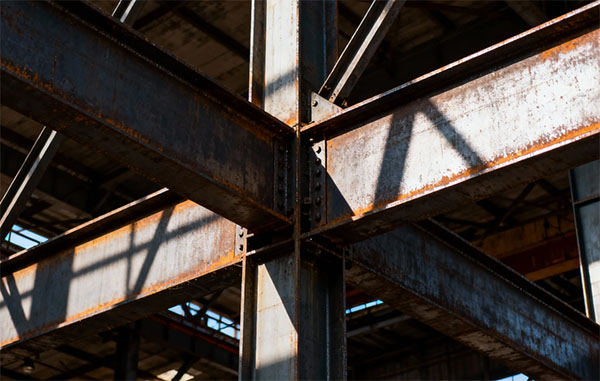
ASTM A514 Grade B is the baseline grade among A514 steel grades, offering reliable performance for standard structural applications.
Selection Insight: A514 Grade B is ideal for cost-sensitive projects where extreme strength or low-temperature performance is not required.
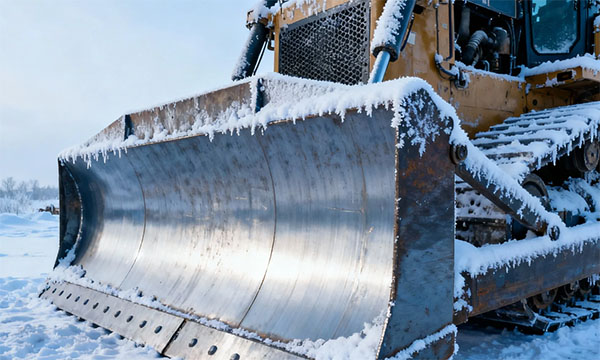
ASTM A514 Grade E steel is designed for applications requiring improved toughness, especially in low-temperature environments.
Selection Insight: Choose Grade E when structural components must maintain ductility and performance under low temperatures.
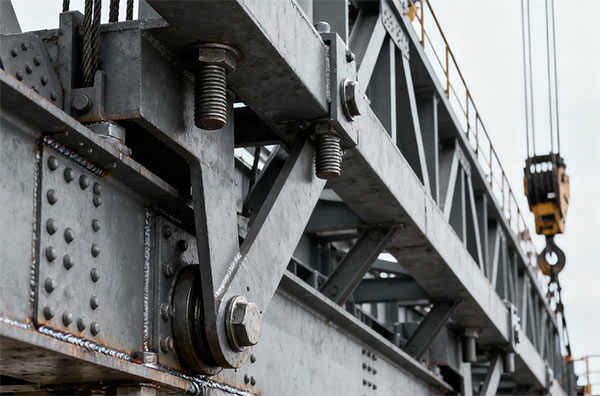
ASTM A514 Grade H provides a combination of high strength and good toughness, particularly for thicker plates.
Selection Insight: Grade H is preferred for heavy-load applications where thickness and strength consistency are critical.
ASTM A514 Grade Q steel is the most widely used and versatile grade among all A514 grades.
Selection Insight: A514 Grade Q is often selected as the default option due to its availability and balanced performance across various applications.
Seleccionar el A514 steel grade depends on project-specific requirements. The following guidelines can help simplify decision-making:
In practical procurement, availability and delivery time can also influence the final grade selection.
Comprender ASTM A514 grades is essential for making informed material selection decisions. By comparing Grade B, E, H, and Q in terms of strength, toughness, and application, buyers can select the most suitable option based on performance and cost considerations.
For most applications, A514 Grado Q offers the best balance of versatility and availability, while Grades E and H are preferred for specialized environments and heavy-duty structures.
CJM suministra toda la gama de calidades A514 con certificación completa de laminación y puede asesorarle sobre la opción más rentable para su aplicación específica. Consulte nuestra Placa de acero A514 Página o Obtenga un presupuesto competitivo.
Explore galvanized steel properties including yield strength, tensile strength, hardness, coating specs, and grades for construction and industrial use.
Ver detalles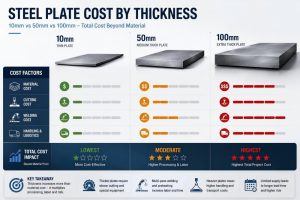
Compare 10mm, 50mm and 100mm steel plate costs beyond material price. Learn cutting, welding and fabrication costs to avoid overpaying.
Ver detalles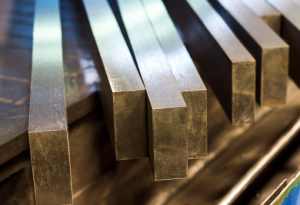
Detailed 4140 steel technical data including chemical composition, mechanical properties, equivalent grades, machining, and welding considerations.
Ver detalles
Compare la hojalata y la chapa de acero esmaltado para envases, utensilios de cocina y aplicaciones industriales. Descubra los puntos fuertes de los materiales, sus limitaciones y los mejores escenarios de uso.
Ver detalles
HolaConéctese