S355JR vs S355J2 vs S355NL – Key Differences Explained
S355JR, S355J2, and S355NL differ mainly in impact test temperature and low-temperature performance, which directly determine where each grade can be safely used.
For most engineering and procurement decisions, the key question is simple:
S355JR → suitable for +20°C environments
S355J2 → suitable for –20°C conditions
S355NL → suitable for –50°C and critical low-temperature applications
Choosing the wrong grade can lead to brittle fracture risks in cold environments, so understanding these differences is essential for structural safety and compliance.
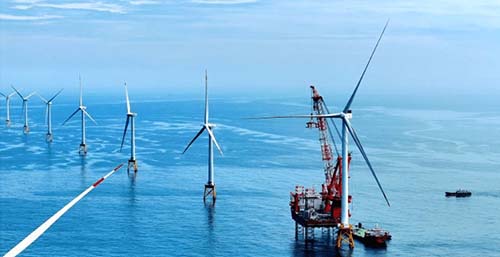
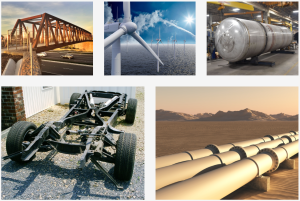
S355J2 / S355NL – Bridges & Cold-Region Projects If your project requires plates for bridge, wind tower, or heavy-duty structural fabrication, you can review the Placa de torre eólica section for available S355J2/S355NL options.
FAQs: S355JR vs S355J2 vs S355NL (For Buyers & Engineers)
1. What is the main difference between S355JR and S355J2?
The difference is impact test temperature: S355JR is tested at +20°C, while S355J2 is tested at –20°C.
2. What is the S355JR equivalent to ASTM?
The most common ASTM equivalent for S355JR is ASTM A572 Grado 50, widely used for general structural applications.
3. What is the S355J2 equivalent to ASTM?
S355J2 is commonly compared with ASTM A572 Grado 50 o ASTM A992 in structural applications. However, exact substitution should be verified based on impact toughness and chemical composition.
4. What is the S355NL equivalent material?
S355NL is often referenced against ASTM A516 Grado 70 o A572 Grado 50 for low-temperature plate applications, though its fine-grain and normalized condition set it apart.
5. Can S355JR replace S355J2?
S355JR can replace S355J2 only in projects that do not require low-temperature impact toughness. For outdoor structures in cold climates or components exposed to winter temperatures, S355J2 remains the safer choice.
6. S355JR vs S355NL: What’s the difference?
S355NL offers superior low-temperature toughness (-50°C) and is delivered in a normalized condition, making it suitable for offshore, pressure equipment, and heavily welded structures. S355JR is intended for standard structural applications without low-temperature requirements.
7. Is S355J2 better than S355JR?
Neither grade is universally “better.” S355J2 is preferable for colder climates due to its –20°C impact toughness, while S355JR is a cost-efficient choice for general construction in moderate environments.
8. S355J2 vs S355NL: Which one should I choose?
S355J2 is suitable for general heavy structures requiring –20°C impact toughness, while S355NL is preferred for offshore, wind energy, or low-temperature pressure equipment due to its –50°C toughness and normalized delivery.
9. Is S355JR equivalent to A572 Grade 50?
Yes. For many structural applications, S355JR is considered comparable to ASTM A572 Grade 50 due to similar strength and composition.
10. What does S355J2+N mean?
S355J2+N indicates S355J2 steel delivered in a normalized condition (+N). Normalizing improves grain structure, toughness, and weldability compared with standard as-rolled S355J2.
In international procurement, S355J2+N equivalent material is often compared with ASTM A572 Grade 50 or ASTM A516 Grade 70 depending on toughness requirements.
Still unsure which S355 grade best suits your project?
Acero CJM suministra placas y bobinas S355JR, S355J2 y S355NL a compradores de todo el mundo. Contacte con nuestro equipo de ingenieros para la selección personalizada de materiales y el apoyo al suministro.
Explore las chapas de acero de alta resistencia: tipos, calidades y aplicaciones clave. Conecte con proveedores fiables en Italia y en todo el mundo para entregas globales.
La chapa de acero al carbono es un material duradero y versátil que se utiliza en la construcción, la fabricación y las aplicaciones industriales como soporte estructural.
Explore las bobinas de Incoloy 800, 800H y 800HT en detalle: composición química, propiedades mecánicas y aplicaciones industriales. Le ayudamos a elegir sabiamente.
Las chapas de acero son un material fundamental en la construcción, la fabricación de equipos pesados, remolques y proyectos de reparación. Elegir el tamaño adecuado de la chapa de acero es esencial para conseguir la resistencia, durabilidad y rentabilidad deseadas. Esta guía...
 CJM Steel Group Ltd.

HolaConéctese